Media
Peter Turchin: Predicting History
Is it possible to predict history mathematically? Peter Turchin was trained as a theoretical biologist, but his current research interests lie within the fields of Cultural Evolution and Historical Social Dynamics.…
Load media from Vimeo
The provider may receive technical information and set cookies when this media is loaded.
Description
Is it possible to predict history mathematically? Peter Turchin was trained as a theoretical biologist, but his current research interests lie within the fields of Cultural Evolution and Historical Social Dynamics. He has developed a method called Cliodynamics, which he describes as "a new transdisciplinary area of research at the intersection of historical macrosociology, economic history/cliometrics and mathematical modeling of long-term social processes".
Format & Duration
Video · 9 min
Connections
Related work
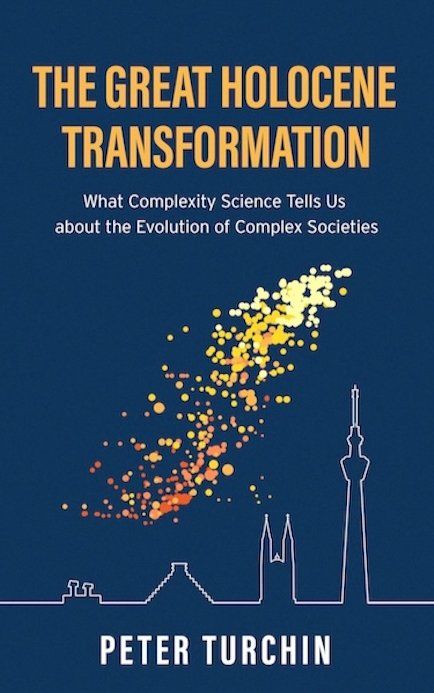
The Great Holocene Transformation
What Complexity Science Tells Us about the Evolution of Complex Societies
Why do the 99.9% of humanity live in large-scale societies organized as states? During the Holocene (the last 10,000 years), human societies have been transformed utterly: from small groups of nomadic foragers to our current interconnected world of large-scale societies organized as states. Population numbers, agricultural productivity, technological…
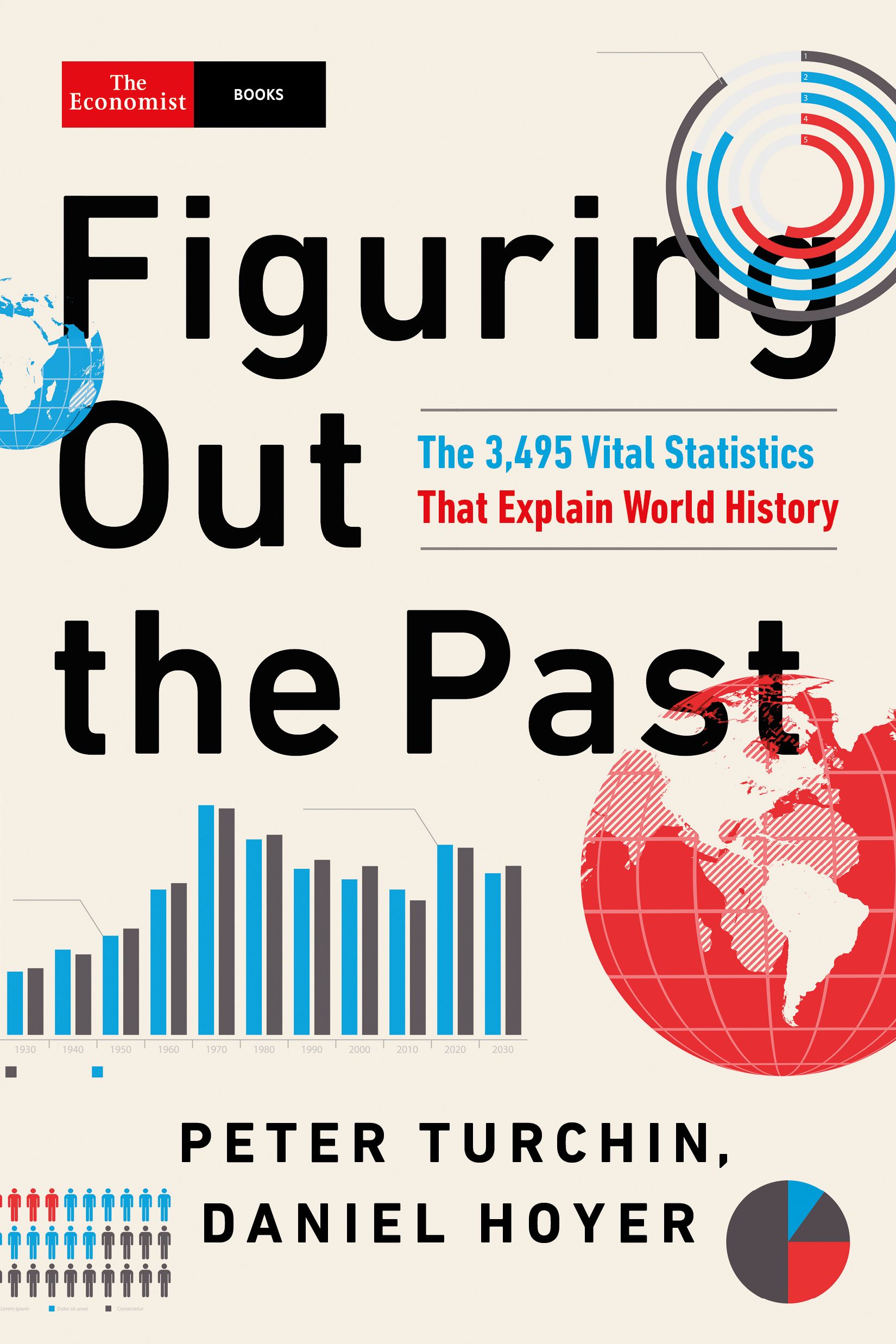
Figuring Out the Past: The 3,495 Vital Statistics that Explain World History
Discover the world records that define our history and jump headfirst into the past using scientific data that reveals accurate and insightful answers to life’s biggest questions.
What was history's biggest empire? Or the tallest building of the ancient world? What was the plumbing like in medieval Byzantium? The average wage in the Mughal Empire? Where did scientific writing first emerge? What was the bloodiest ever ritual human sacrifice? We are used to thinking about history in terms of stories. Yet we understand our own world…
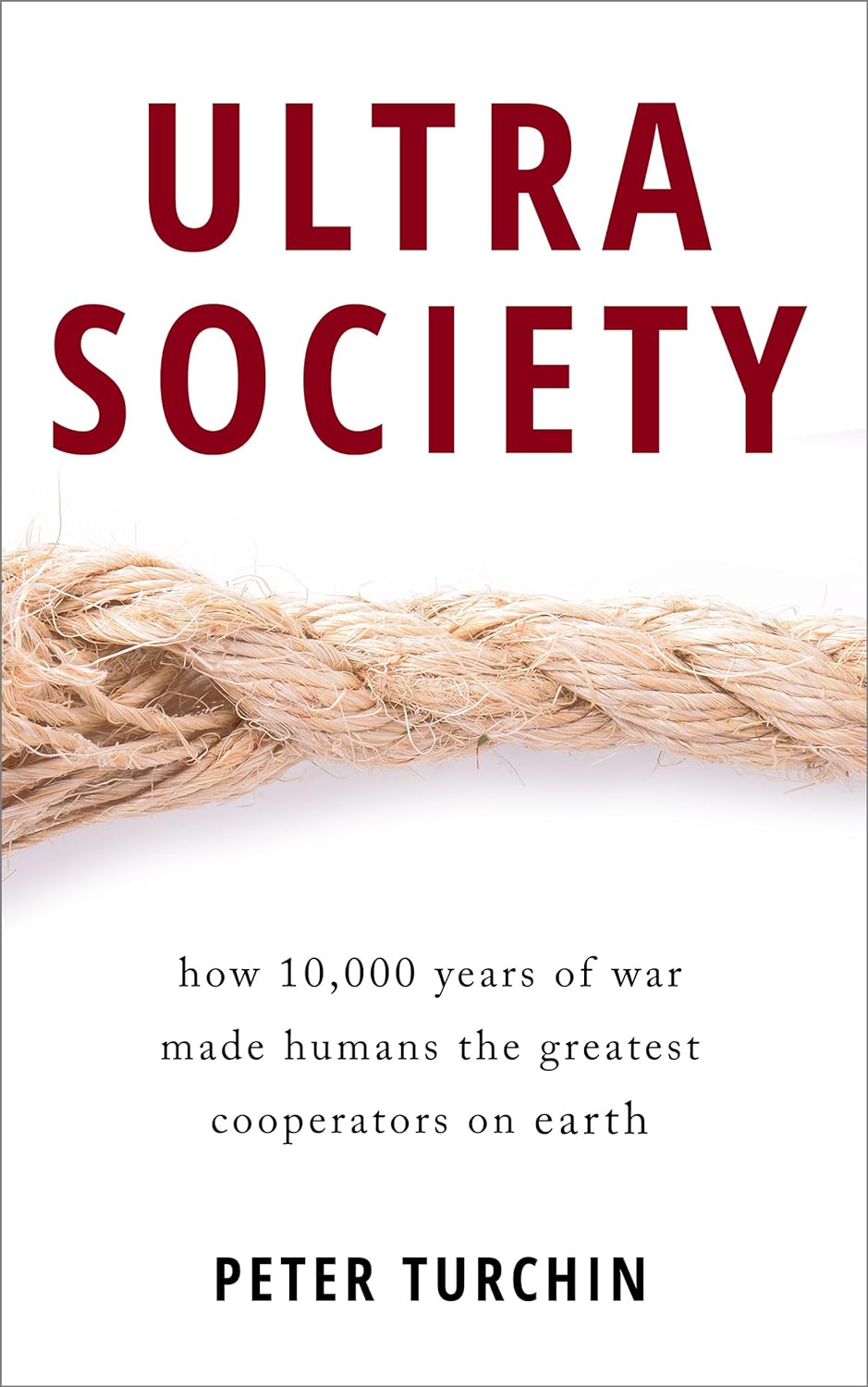
Ultrasociety
Cooperation is powerful
We organize ourselves into communities of hundreds of millions of individuals, inhabit every continent, and send people into space. Human beings are nature’s greatest team players. And the truly astounding thing is, we only started our steep climb to the top of the rankings—overtaking wasps, bees, termites and ants—in the last 10,000 years. Genetic…
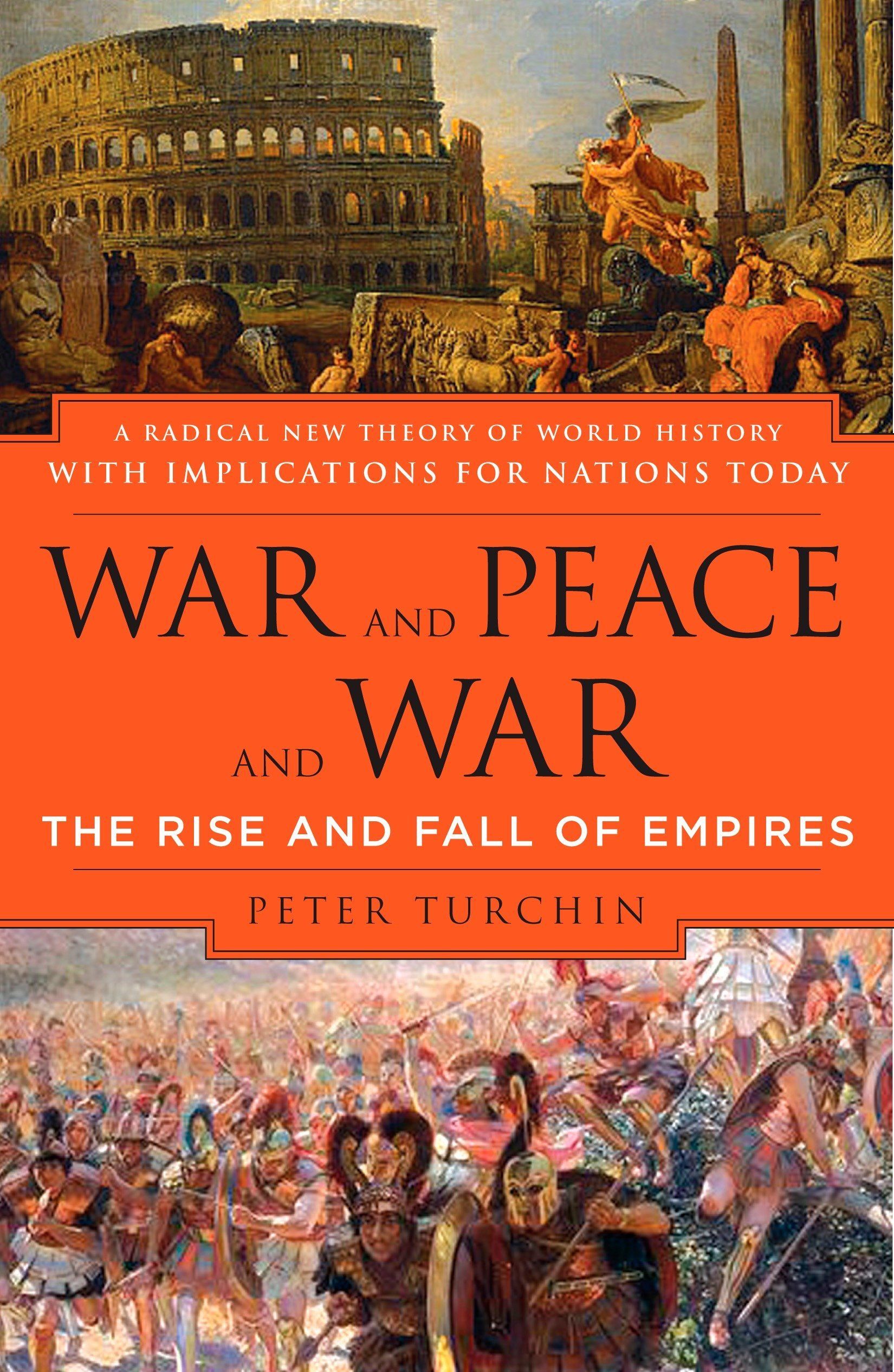
War and Peace and War
Empires rise and fall, populations and economies boom and bust, world religions spread or wither…
In War and Peace and War, Peter Turchin uses his expertise in evolutionary biology to offer a bold new theory about the course of world history. Turchin argues that the key to the formation of an empire is a society’s capacity for collective action. He demonstrates that high levels of cooperation are found where people have to band together to fight off…
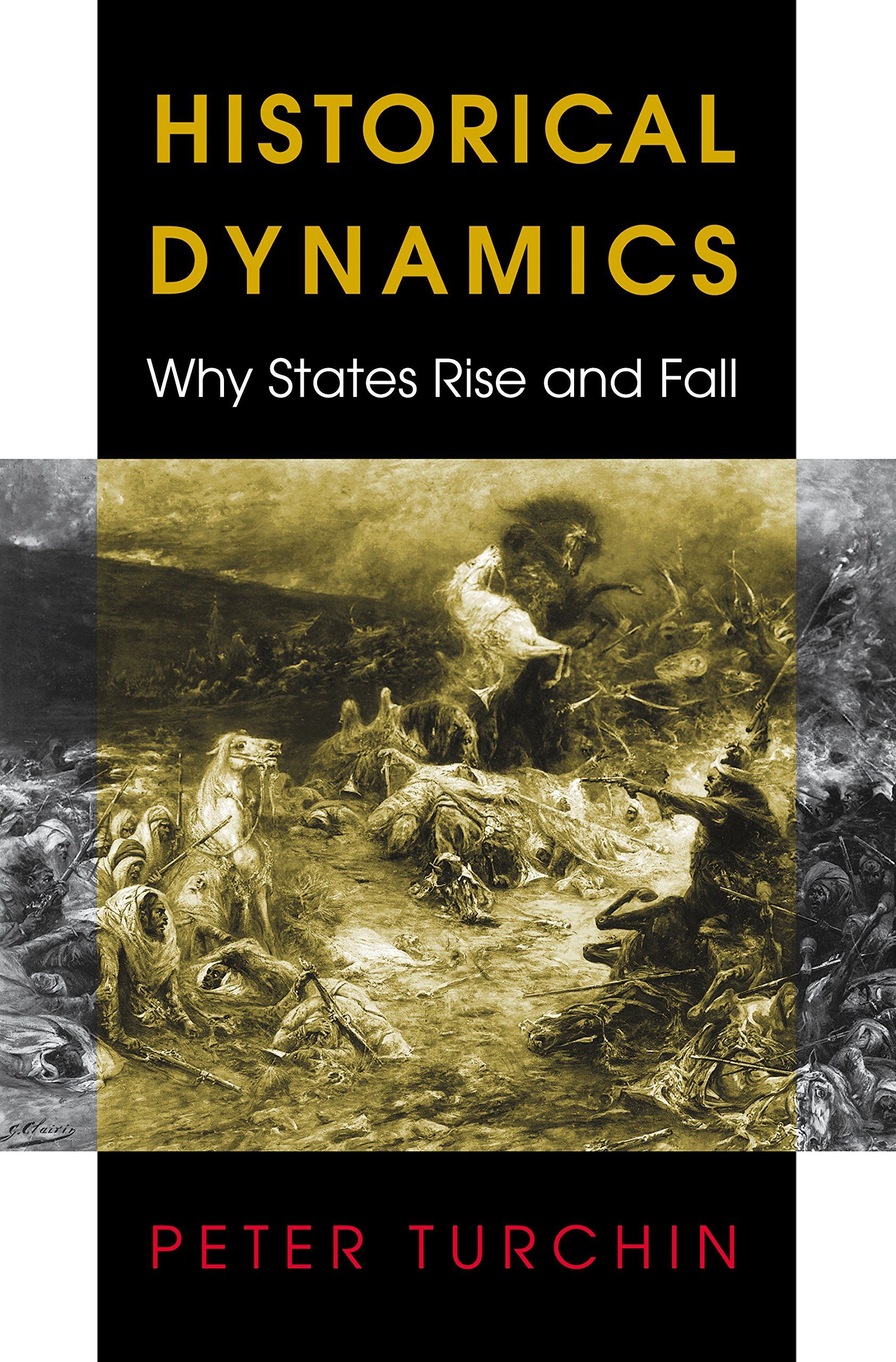
Historical Dynamics
A Synthetic Approach to Historical Expansions and Contractions through Mathematical Modeling and Empirical Analysis
Why States Rise and Fall Many historical processes are dynamic. Populations grow and decline. Empires expand and collapse. Religions spread and wither. Natural scientists have made great strides in understanding dynamical processes in the physical and biological worlds using a synthetic approach that combines mathematical modeling with statistical…
The Equinox2020 Seshat Data Release
This report describes the current canonical time-series dataset named “Equinox2020,” a subset of Seshat: Global History Databank data for a well-curated list of polities and variables available on the Seshat Data Browser. The report provides an introduction to the methods and procedures of the Seshat project relating to the curation and release of the Equinox2020 dataset.