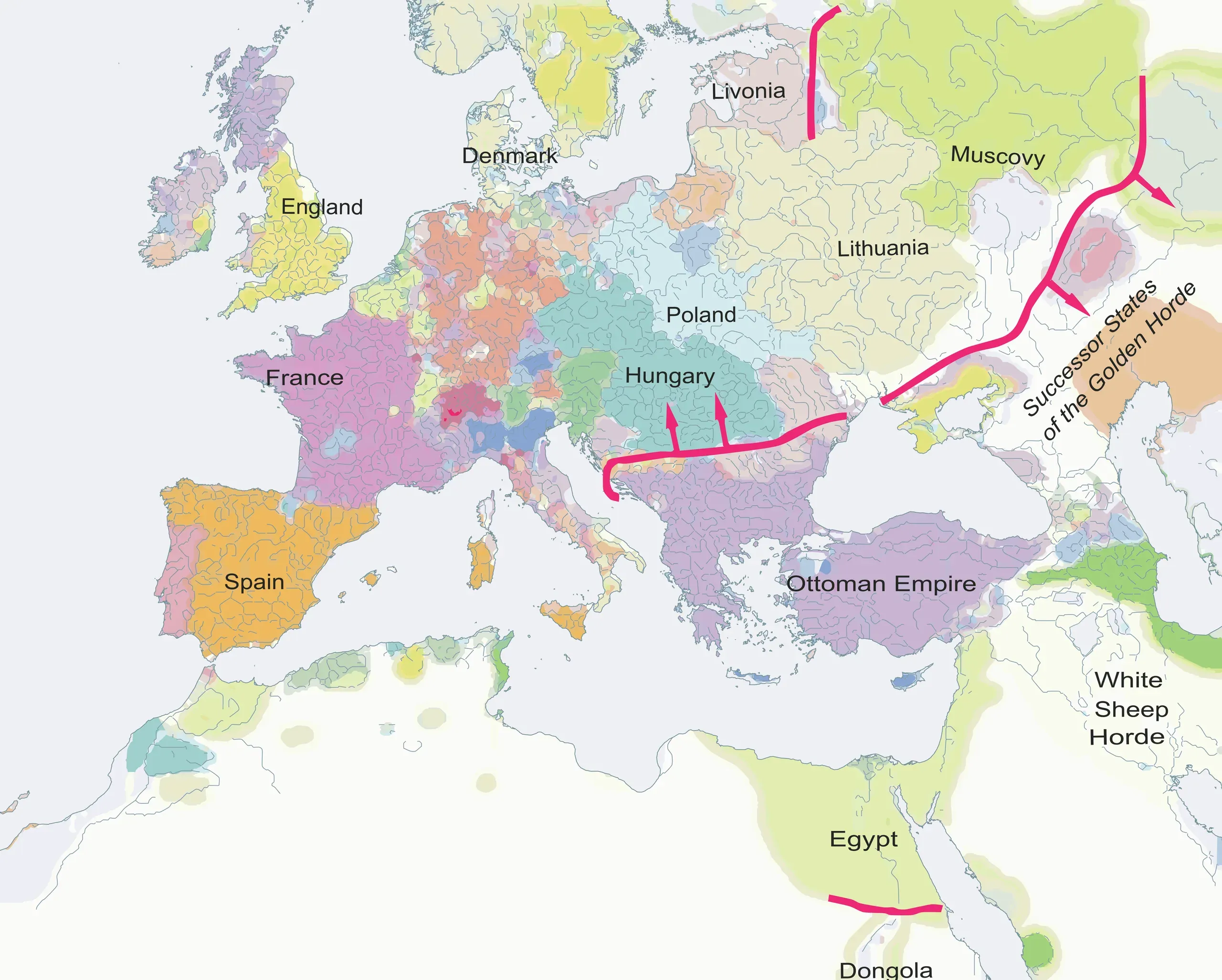
Research Topic
Cultural Evolution
The evolution of cultural practices, institutions, religions, and forms of social organization across human history.
Work on Cultural Evolution
Cliodynamics
Cliodynamics is a transdisciplinary field for investigating long-term historical change through explicit theory, mathematical and computational models, quantitative analysis, and large comparative databases.
CCS 26 Keynote : The Great Holocene Transformation
During the Holocene the scale and complexity of human societies increased dramatically. Generations of scholars have proposed different theories explaining this evolution, which range from functionalist explanations, focusing on the provision of public goods, to conflict theories, emphasizing the role of internal class struggle or external warfare.…
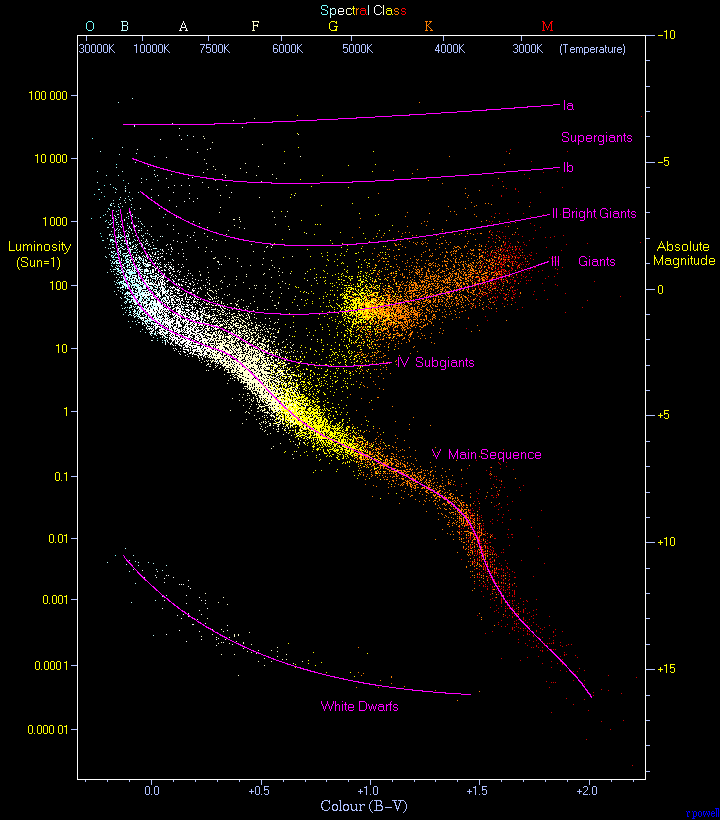
The "Main Sequence" of Societal Evolution
Interesting Parallels between Stars and Human Societies
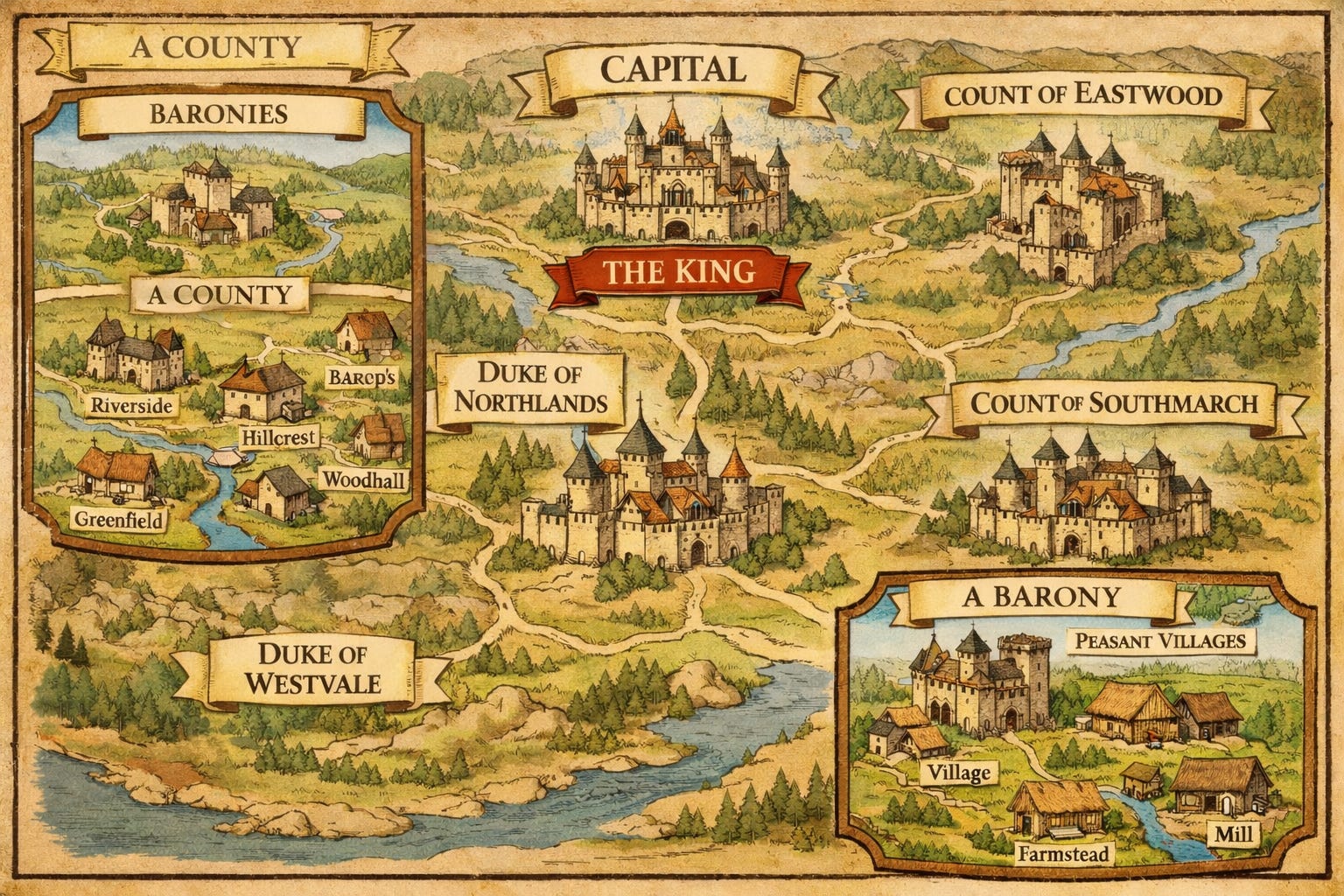
Multilevel Selection II
MLS in Cultural Macroevolution
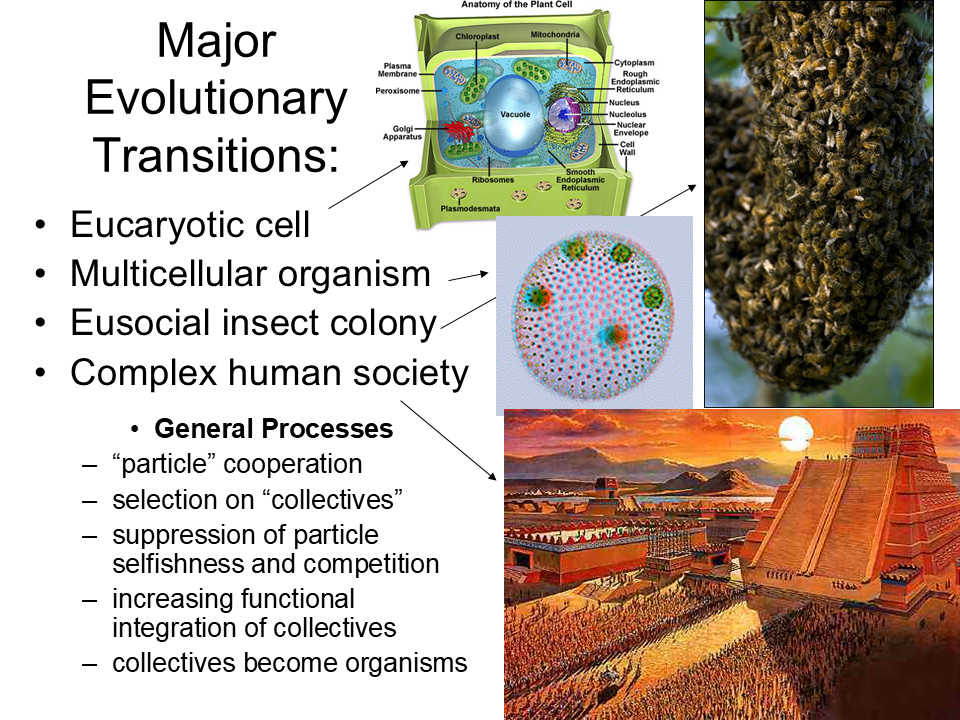
The Controversy over Multilevel Selection
Science Proceeds by Paradigm Shifts
Multilevel Selection in Cultural Macroevolution
Cultural macroevolution (CME) is a subfield of cultural evolution that studies large-scale changes in the cultural traits of whole groups. A central question in CME is how and why characteristics of polities (such as chiefdoms, states, and empires) evolve over time. Multilevel selection, and especially its application to cultural evolution, provides a very useful theoretical framework for CME because many polity-level characteristics evolve under selection pressures that act in opposite directions at different levels of hierarchical organization. In this chapter I discuss the conceptual framework that multilevel selection provides for studying CME and summarize the main empirical results from my recent book (Turchin 2025). I conclude that major predictions of cultural multilevel selection theory enjoy substantial empirical support.
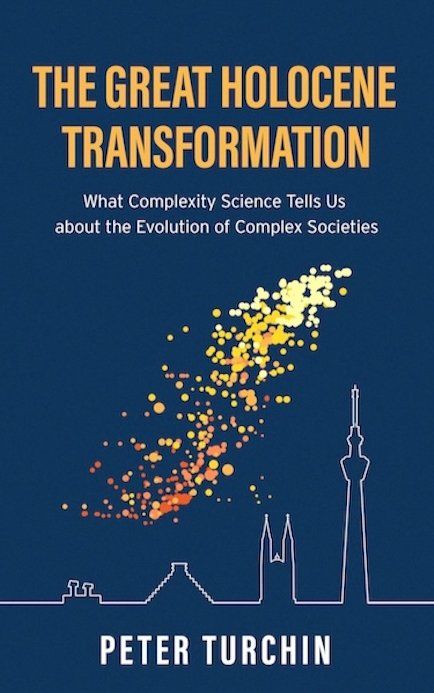
The Great Holocene Transformation
What Complexity Science Tells Us about the Evolution of Complex Societies
Why do the 99.9% of humanity live in large-scale societies organized as states? During the Holocene (the last 10,000 years), human societies have been transformed utterly: from small groups of nomadic foragers to our current interconnected world of large-scale societies organized as states. Population numbers, agricultural productivity, technological…
Soil Fertility Depletion is not a Credible Mechanism for Population Boom/Bust Cycles in Early Agricultural Societies
Soil fertility depletion presents a negative feedback mechanism that could have impacted early adopters of agriculture. We consider whether such feedback can lead to population cycles among early agriculturalists, such as the boom-and-bust patterns suggested by an increasing amount of evidence for Neolithic Europe. Using general mathematical arguments, we show that this is unlikely, due to the interplay of two factors. First, there is an important mathematical difference between biotic (i.e., logistic) and abiotic resource replenishment; soil nutrients are better modeled by the abiotic case, which leads to more stable dynamics. Second, under realistic conditions, the resource replenishment process operates on fast time scales compared to attainable population growth rates, reinforcing the tendency towards stable dynamics. Both these factors are relevant for early agricultural societies and imply that nutrient depletion is likely not the main contributing factor to boom-and-bust cycles observed in the archaeological record.
The Coming Societal Breakdown of America with PeterTurchin
Jason welcomes Peter Turchin, a complexity scientist specializing in cliodynamics, accurately predicted in 2010 that the US would face social disintegration around 2020. Cliodynamics combines cultural evolution, economic history, and mathematical modeling to analyze historical processes and predict future trends.…
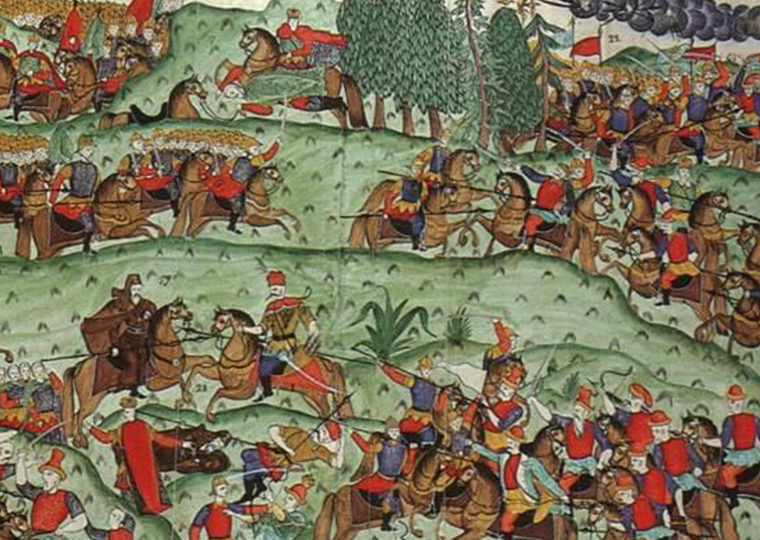
Testing 17 Theories on the Development of Complex Civilizations
Large-scale data project produces stark conclusion: military technology + agricultural productivity caused the takeoff. Generations of scholars have tried to explain what drove societies to evolve, over the past 10,000 years or so, from tiny settlements of a few hundred people to modern, highly organized states of hundreds of millions.…
Peter Turchin, Cliodynamics: History as Science
Peter Turchin, Cliodynamics: History as Science Presented to the 2023 IBHA Conference https://bighistory.org/
Explaining population booms and busts in Mid-Holocene Europe
Archaeological evidence suggests that the population dynamics of Mid-Holocene (Late Mesolithic to Initial Bronze Age, ca. 7000-3000 BCE) Europe are characterized by recurrent booms and busts of regional settlement and occupation density. These boom-bust patterns are documented in the temporal distribution of 14C dates and in archaeological settlement data from regional studies. We test two competing hypotheses attempting to explain these dynamics: climate forcing and social dynamics leading to inter-group conflict. Using the framework of spatially-explicit agent-based models, we translated these hypotheses into a suite of explicit computational models, derived quantitative predictions for population fluctuations, and compared these predictions to data. We demonstrate that climate variation during the European Mid-Holocene is unable to explain the quantitative features (average periodicities and amplitudes) of observed boom-bust dynamics. In contrast, scenarios with social dynamics encompassing density-dependent conflict produce population patterns with time scales and amplitudes similar to those observed in the data. These results suggest that social processes, including violent conflict, played a crucial role in the shaping of population dynamics of European Mid-Holocene societies.

Good Statistical Methods Is No Substitute for Bad Data
The Database of Religious History (DRH) team has recently published the first (and only, as far as I know) analytic article based on the DRH data, Religion and Ecology: A pilot study employing the database of religious history .…

Evolutionary Drivers of Social Complexity: the Story So Far
When we launched Seshat: Global History Databank more than a decade ago, we intended it to be a multi-purpose tool. But the central question that motivated this gargantuan undertaking was to test the multitude of theories proposed by thinkers of the past and…
Navigating Polycrisis: long-run socio-cultural factors shape response to changing climate
Climate variability and natural hazards like floodsandearthquakescan act as environmental shocksor socioecological stressors leading toinstabilityand suffering throughout human history.Yet, societies experience a wide range of outcomes when facingsuch challenges: some suffer from social unrest, civil violence, or complete collapse; others prove more resilient and maintain key social functions. Wecurrently lack a clear, generally agreed-upon conceptual framework and evidentiary base to explore what causes these divergent outcomes.Here, we discuss efforts to develop such a framework through theCrisis Database (CrisisDB) programme. We illustrate that the impact of environmental stressors ismediated through extant cultural, political, and economic structuresthatevolve over extendedtimescales (decades to centuries). These structures cangenerate high resilience tomajor shocks, facilitate positive adaptation, or, alternatively,undermine collective action and lead to unrest,violence, and even societal collapse. By exposing the ways that different societieshavereacted to crisesover their lifetime, this frameworkcan help identify the factors and complex social-ecological interactions that either bolster or undermine resilience to contemporary climate shocks.
Peter Turchin on Cultural Macroevolution
Peter Turchin from Complexity Science Hub–Vienna presenting his paper Cultural Macroevolution: Understanding the rise of large-scale complex societies in human history. During the Holocene the scale and complexity of human societies increased dramatically.…
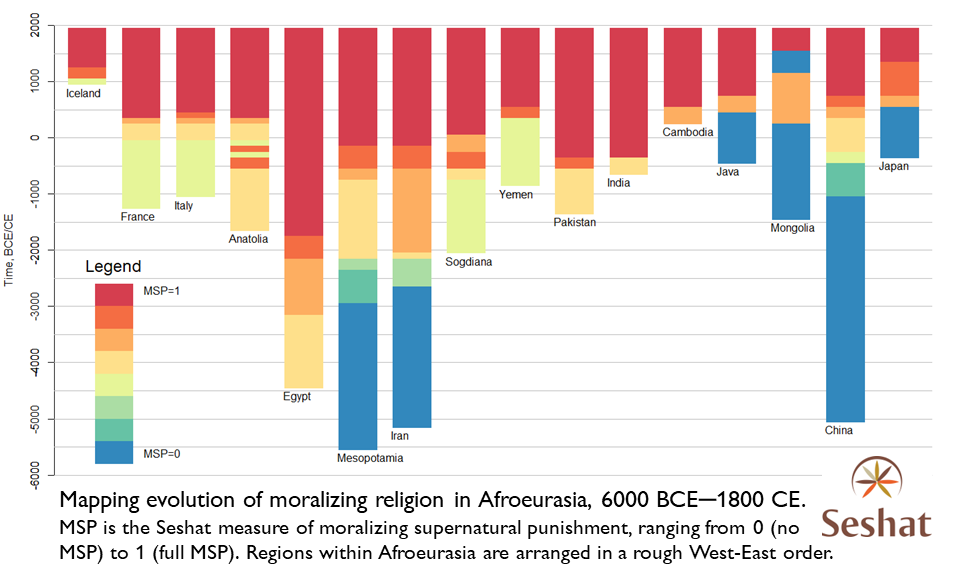
Religion Is Different
Social life of human beings was utterly transformed during the Holocene. Agriculture, large-scale organized warfare, elites, rulers, bureaucracies, writing, and monumental architecture evolved independently in many world regions at markedly different times.…
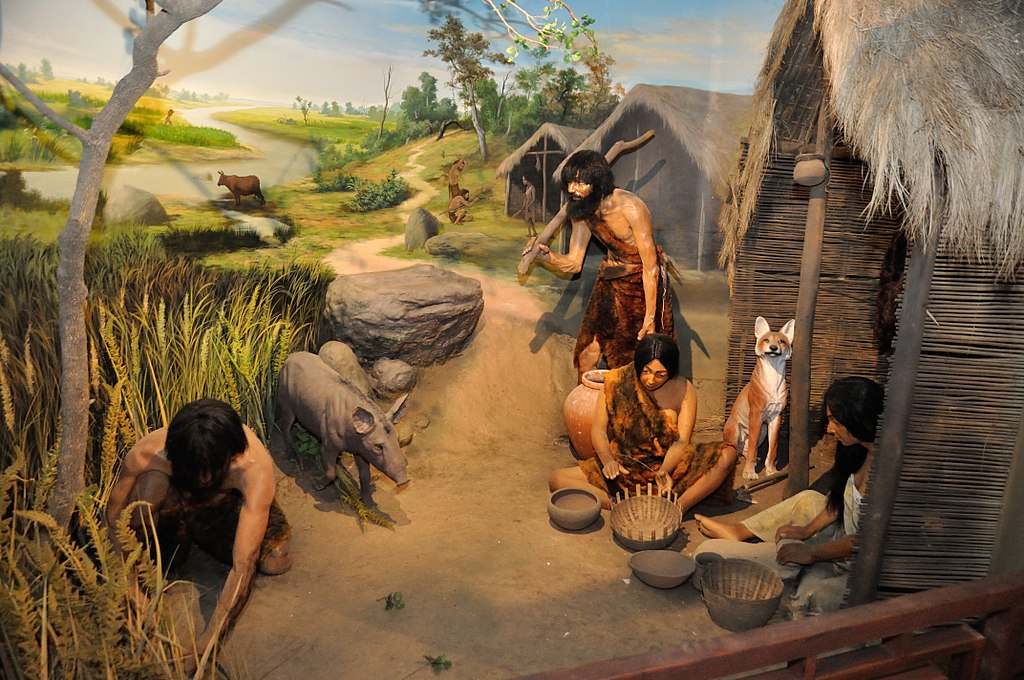
The Collapse of Simple Societies
Why do large-scale complex societies, within which >99% of humanity now lives, recurrently experience periods of social and political breakdown?…