Research Topic
Cliodynamics
The interdisciplinary study of long-term historical change using explicit theory, quantitative evidence, and mathematical or computational models.
Work on Cliodynamics
Cliodynamics
Cliodynamics is a transdisciplinary field for investigating long-term historical change through explicit theory, mathematical and computational models, quantitative analysis, and large comparative databases.
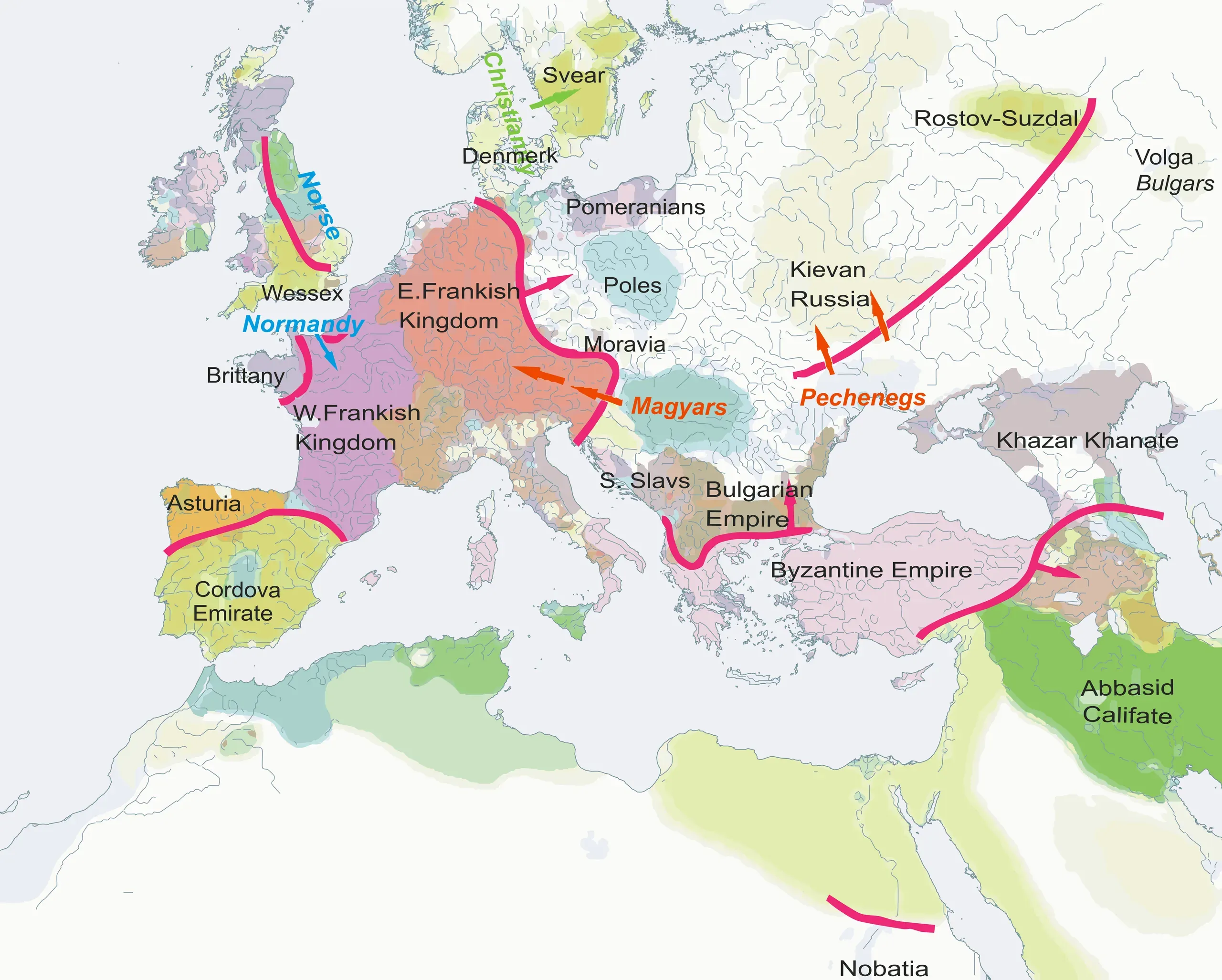
The Metaethnic Frontier Theory: An Empirical Test
Maps accompanying Chapter 5, “An Empirical Test of the Metaethnic Frontier Theory,” in Historical Dynamics.
Why Do We Need Mathematical History?
Mathematical and computational methods make theories of historical change explicit enough to derive predictions, trace complex consequences, and test competing explanations against evidence.
Peter Turchin, Overproduction of Elites and Social Instability
Overproduction of Elites and Social Instability A Short Introduction to Cliodynamics A conversation with Peter Turchin Project Leader at the Complexity Science Hub, Vienna

Cliodynamica Substack: A Year in Review
Doing Well So Far...
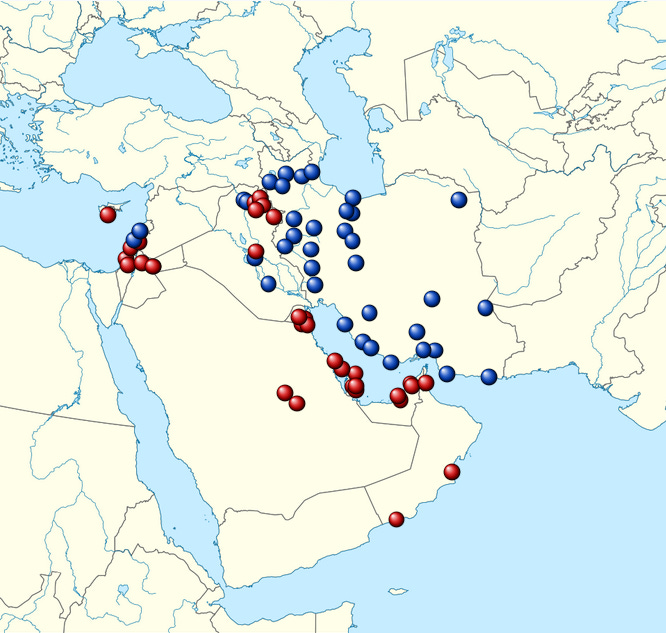
Operation Epic Fury
Viewing the Conflict through the Lens of Cliodynamic
Can We Predict History like the Weather? | Peter Turchin on Cliodynamics and Zohran Mamdani
Why do civilizations rise, prosper, and then collapse? Here's what the math tells us. In this episode, we sit down with Peter Turchin, complexity scientist and founder of the field of cliodynamics, which uses data and mathematical models to study the long-term cycles of history.…
CRISES AVERTED. How A Few Past Societies Found Adaptive Reforms in the Face of Structural-Demographic Crises
Historians and social scientists have long been preoccupied with understanding and documenting periods of crisis. Such emphasis is only growing, and becoming more pressing, as the world continues to face a number of interrelated stressors in the form of irreversible climate change, major ecological shocks and disease outbreaks, eruptions of military violence, economic disruptions and deepening inequalities, political polarization and unrest, the rise of authoritarian and nationalist regimes. Crises in these domains are not new, but have been recurrent features of past societies. Although these periods have typically led to massive loss of life, the failure of critical institutions, and even complete societal collapse, there are instances in the historical record of societies managing to turn the tide of crisis even as violence and social turmoil grow. Here, we focus on four such cases of crises mitigated with structural reforms revealed from our previous historical analyses: early Republican Rome, mid-19th century England and Russia, USA during the the late 20th to early 21st centuries. Utilizing structural demographic theory as a lens to explore these cases, we seek to expose the pressures that built up leading to crisis and the early signs of violent confrontation revealed by these societies, as well as to examine the conditions and key decisions made in the midst of this unrest that allowed these societies to turn the tide and enact significant structural adaptations. Our findings have clear relevance to understanding and navigating similar crises in contemporary societies.
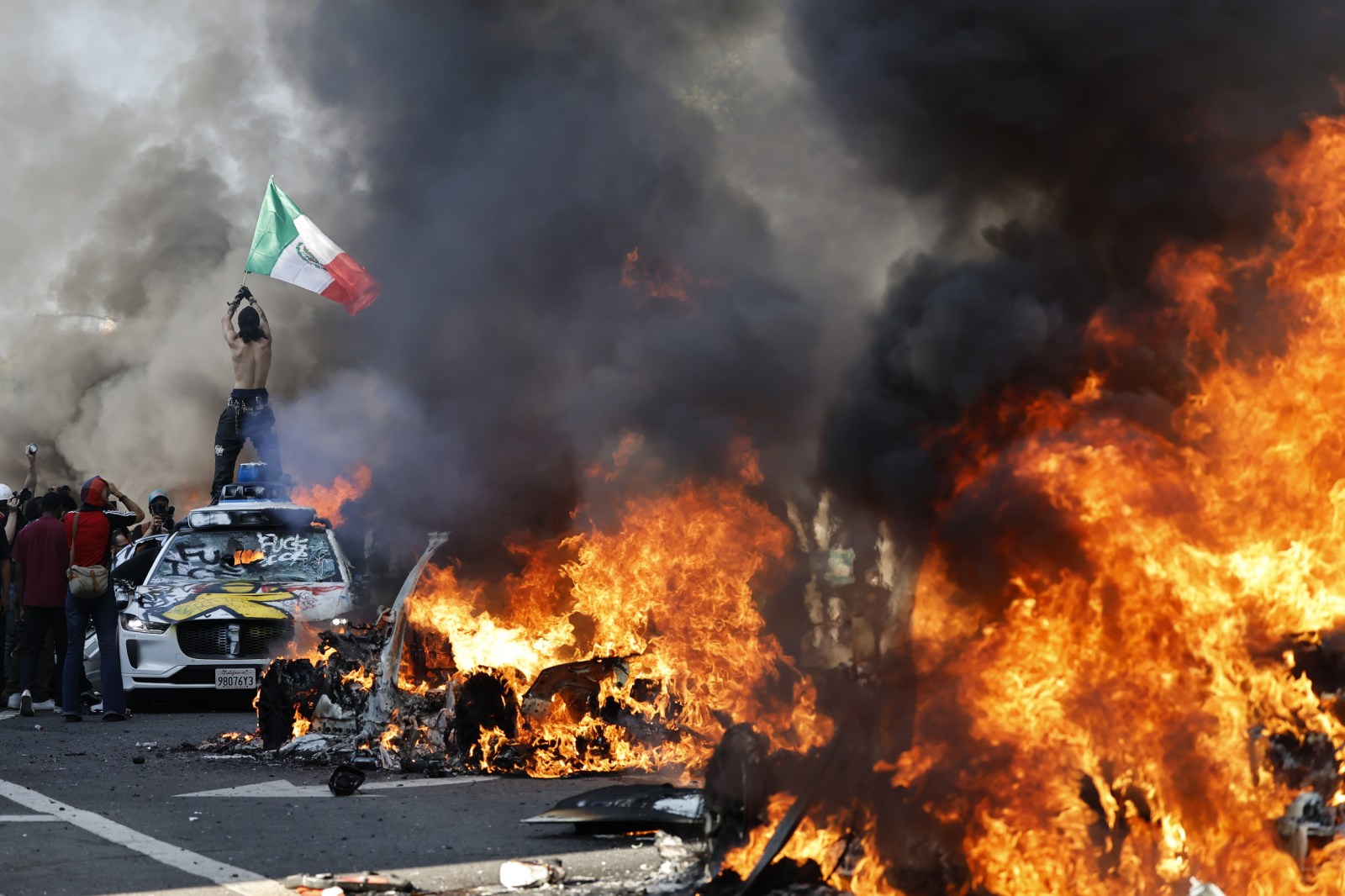
The Scholar Who Predicted America's Breakdown Says It's Just Beginning
Fifteen years ago, smack in the middle of Barack Obama's first term, amid the rapid rise of social media and a slow recovery from the Great Recession, a professor at the University of Connecticut issued a stark warning: the United States was heading into a decade of growing political instability. It sounded somewhat contrarian at the time.…

An excess of billionaires is destabilising politics – just as academics predicted
Politicians have always courted the wealthy, but Elon Musk and co represent a new kind of donor, and an unprecedented danger to democracy The concept of “elite overproduction” was developed by social scientist Peter Turchin around the turn of this century to describe something specific: too many rich people for not enough rich-person jobs.…
The Coming Societal Breakdown of America with PeterTurchin
Jason welcomes Peter Turchin, a complexity scientist specializing in cliodynamics, accurately predicted in 2010 that the US would face social disintegration around 2020. Cliodynamics combines cultural evolution, economic history, and mathematical modeling to analyze historical processes and predict future trends.…

An Academic’s Grand Unified Theory on Why Things Are Getting Worse
After studying how societies crumble, Peter Turchin has a warning for America’s elite. Pessimism is in. Swaths of the global elite are uncertain enough about the future to be fortifying their doomsday bunkers designed to evade both popular uprisings and climate catastrophe.…
Forecaster Peter Turchin: ‘The US is in a much more perilous state than Russia’
Academic’s models predicted 2020 instability. Was it just luck?
Unraveling the 'Age of Discord': Insights from Cliodynamics Expert Prof. Peter Turchin
Prof. Peter Turchin, a renowned complexity scientist, will unveil the forces behind societal instability using cliodynamics and historical data. The Mannheim Center for Data Science lecture will highlight the 'wealth pump' effect, elite overproduction, and potential solutions to current global challenges.
Empirically Testing Predictions of an Attrition Warfare Model for the War in Ukraine
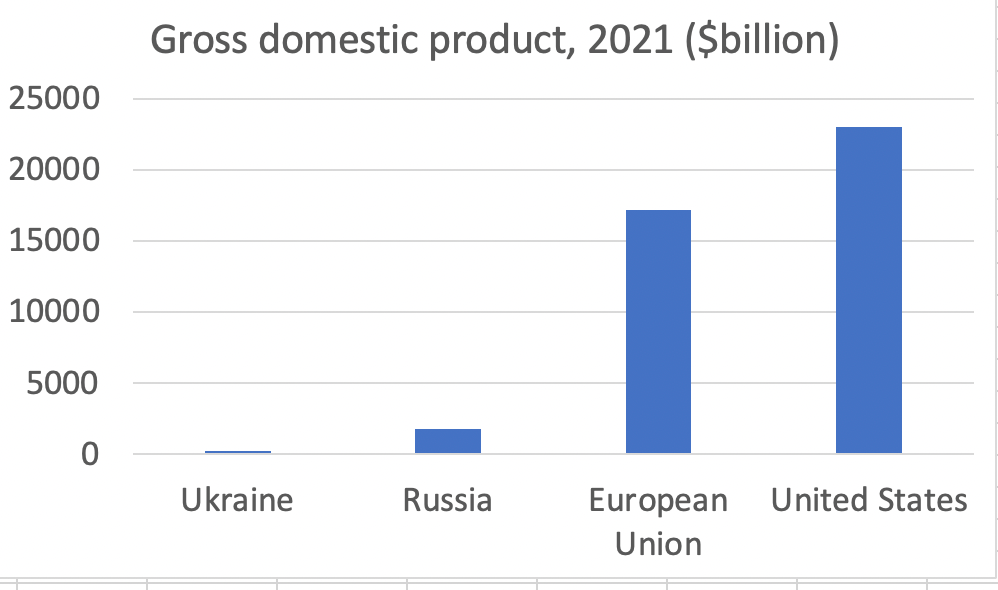
The goal of this study is to empirically test hypotheses about wars of attrition by evaluating their predictions for the conflict in Ukraine. Evaluation will occur after the war is over and authoritative data sources become available for analysis. This pre-registration document presents two quantitative hypotheses that make opposite predictions about the course of the War in Ukraine: (1) the Economic Power hypothesis, which predicts a win for Ukraine and (2) the Casualties Rates hypothesis, which predicts a win for Russia. Additionally, I consider an alternative hypothesis, according to which the outcome will be determined by random unforeseen events. The document includes four main parts: 1. An introduction providing the conceptual background and the rationale for this study. 2. The mathematical framework and a computational model that incorporates both Economic Power and Casualties Rates hypotheses as special cases. 3. An analysis plan that defines model outputs (what is predicted) and model inputs (parameter values and initial conditions), which need to be estimated from data. 4. An interim assessment (as of Summer 2023) using non-authoritative sources illustrating how, after the end of the war, input parameters will be estimated and the accuracy of predictions assessed. At the time of pre-registration (November 2023) the conflict is still unresolved. Neither side has made significant territorial gains for over a year (since the late Fall of 2022). Furthermore, no authoritative source for data, needed to accurately estimate inputs, is currently available. Estimates published in the press differ wildly depending on the source. As a consequence, the alternative predictions discussed in the interim assessment should not be taken as predicting the future course of the conflict. They instead are meant to demonstrate how these specific scientific hypotheses about war dynamics will be assessed after the war concludes.
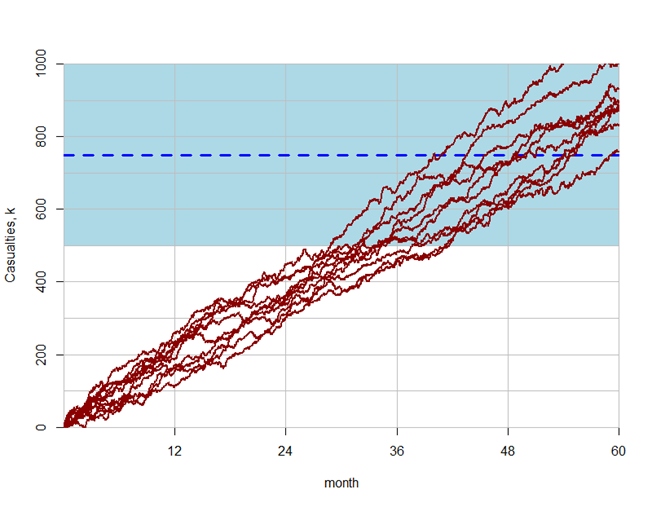
War in Ukraine VI: Adding Economic Power to the Attrition Model
In the previous post of the series , I promised to show how both the Economic Power and Casualties Rates hypotheses can be combined within the same computational model.…
War in Ukraine V: Alternative Hypotheses
One thing I realized since I posted my blog series on the War in Ukraine ( last one here ) in July is that previously I explicitly addressed only one hypothesis (which predicts a win for Russia).…

Forscher sagt: „2024 wird das System in den USA möglicherweise zusammenbrechen“(German)
Der Komplexitätsforscher Peter Turchin will mit „Cliodynamics“ die Geschichtswissenschaft auf eine empirische Basis stellen. Im „Presse“-Interview spricht er über Trump und die Umverteilung von unten nach oben. Die Presse: Der britische Historiker Niall Ferguson hat kürzlich den dritten Weltkrieg prognostiziert.…