I started blogging three years ago. As my faithful readers know, my personal blog coexisted with Special Features (like this one) on the Social Evolution Forum. For a while such a strategy, mixing my personal blogs with more formal discussion pieces by others, worked well. But more recently the two have begun diverging.

Then, early this year we moved the Social Evolution Forum to a new location on the Evolution Institute’s site. For a variety of reasons, this move did not work well for my blogging. As a result, I decided to separate my personal blog from the SEF and move it to my own site. For the last month, I have been busy building my site PeterTurchin.com, on which you are hopefully reading this post. That was in addition to the usual demands of research and teaching. Which is why it has been more than a month since I had written a blog post.

But now the new site is nearing completion (although there are still a lot of wrinkles to iron out. Give it two more weeks, and if you see something that doesn’t work after that, I would appreciate a note about it). Also, my semester is over, and now I finally have time to get back to blogging. To tell the truth, I missed it. I encounter new ideas and new experiences, and I can’t share them with you. It turns out that blogging is actually addictive!

So welcome to my new blog, Cliodynamica. I don’t think I need to explain what Cliodynamics is (but if you are unfamiliar with it, take a look here). Cliodynamica the blog, however, will not be limited to History as Science, but will cover all kinds of themes of interest to me, including politics, indie publishing, food, and travel. The core of history, cultural evolution, cooperation, and complex societies will, of course, continue to dominate.
Connections

Related work

Book

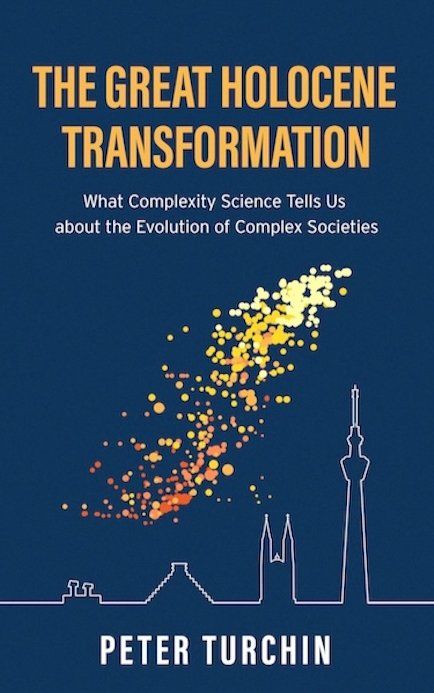
The Great Holocene Transformation

Sep 17, 2025Turchin, P.

What Complexity Science Tells Us about the Evolution of Complex Societies

Why do the 99.9% of humanity live in large-scale societies organized as states? During the Holocene (the last 10,000 years), human societies have been transformed utterly: from small groups of nomadic foragers to our current interconnected world of large-scale societies organized as states. Population numbers, agricultural productivity, technological…

Beresta BooksSocial ComplexityCooperation
Book

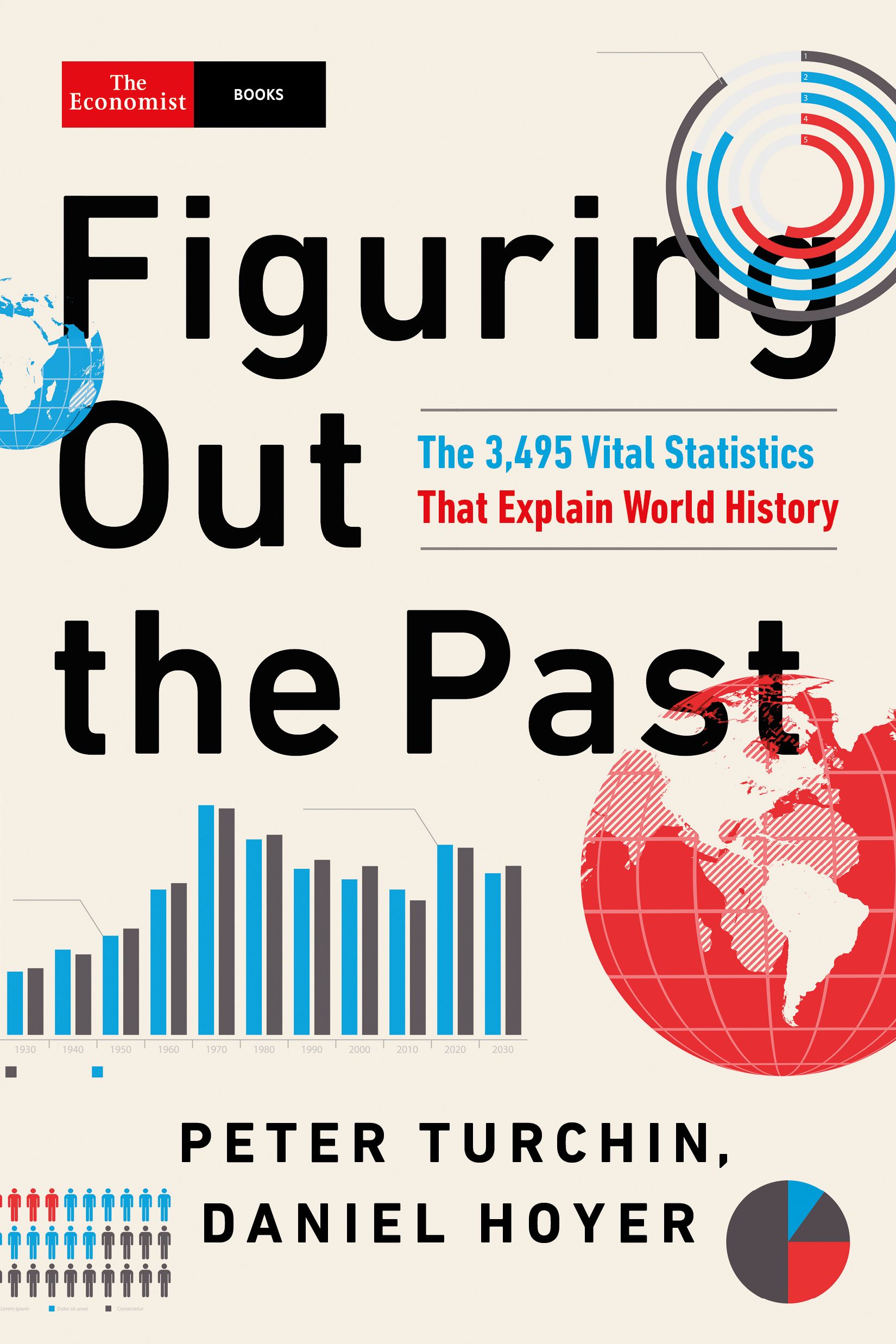
Figuring Out the Past: The 3,495 Vital Statistics that Explain World History

Nov 17, 2020Turchin, P., Hoyer, D.

Discover the world records that define our history and jump headfirst into the past using scientific data that reveals accurate and insightful answers to life’s biggest questions.

What was history's biggest empire? Or the tallest building of the ancient world? What was the plumbing like in medieval Byzantium? The average wage in the Mughal Empire? Where did scientific writing first emerge? What was the bloodiest ever ritual human sacrifice? We are used to thinking about history in terms of stories. Yet we understand our own world…

PublicAffairsHistorical DatabasesCliodynamics
Book

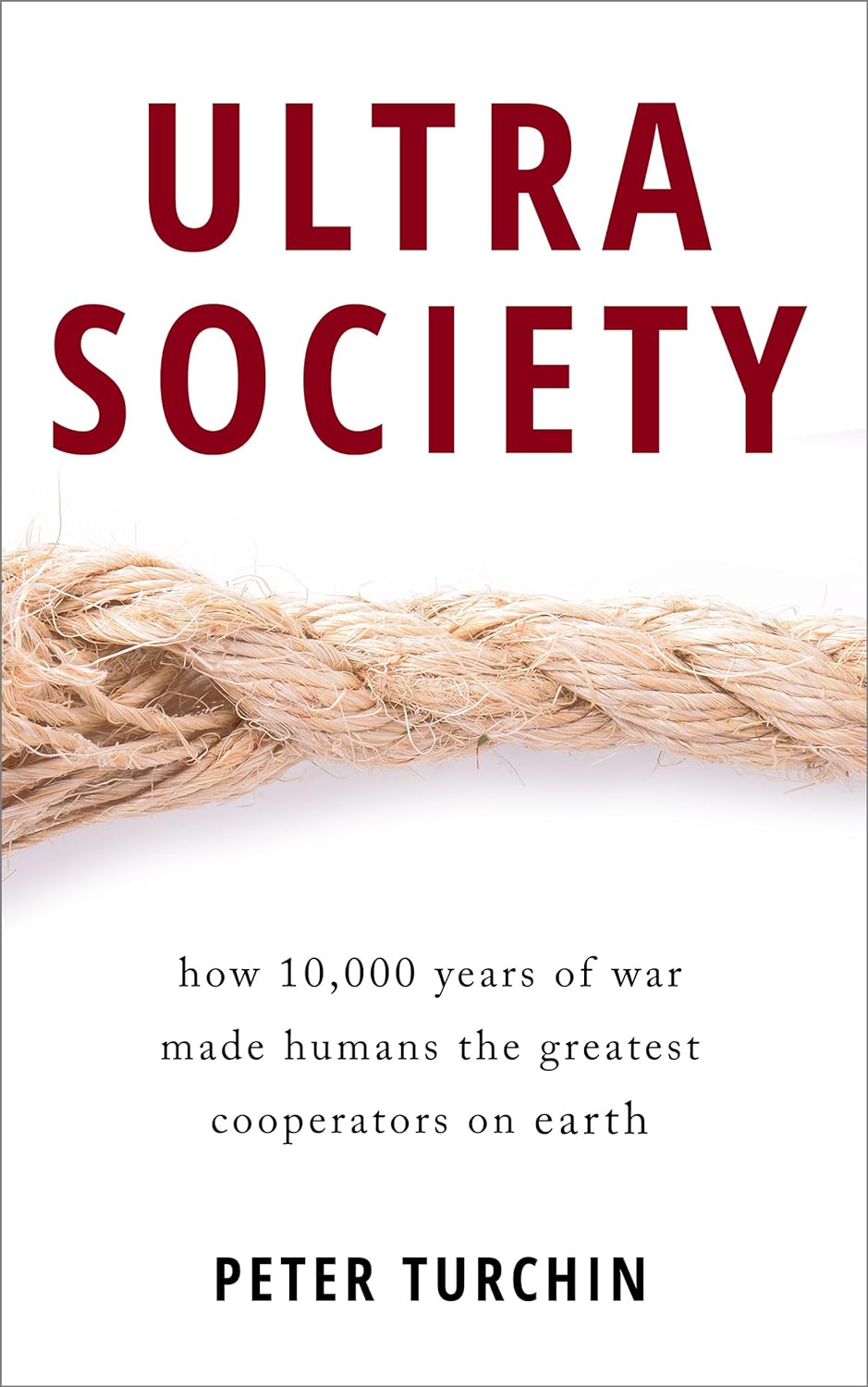
Ultrasociety

Nov 17, 2015Turchin, P.

Cooperation is powerful

We organize ourselves into communities of hundreds of millions of individuals, inhabit every continent, and send people into space. Human beings are nature’s greatest team players. And the truly astounding thing is, we only started our steep climb to the top of the rankings—overtaking wasps, bees, termites and ants—in the last 10,000 years. Genetic…

Beresta BooksCooperationCultural Evolution
Book

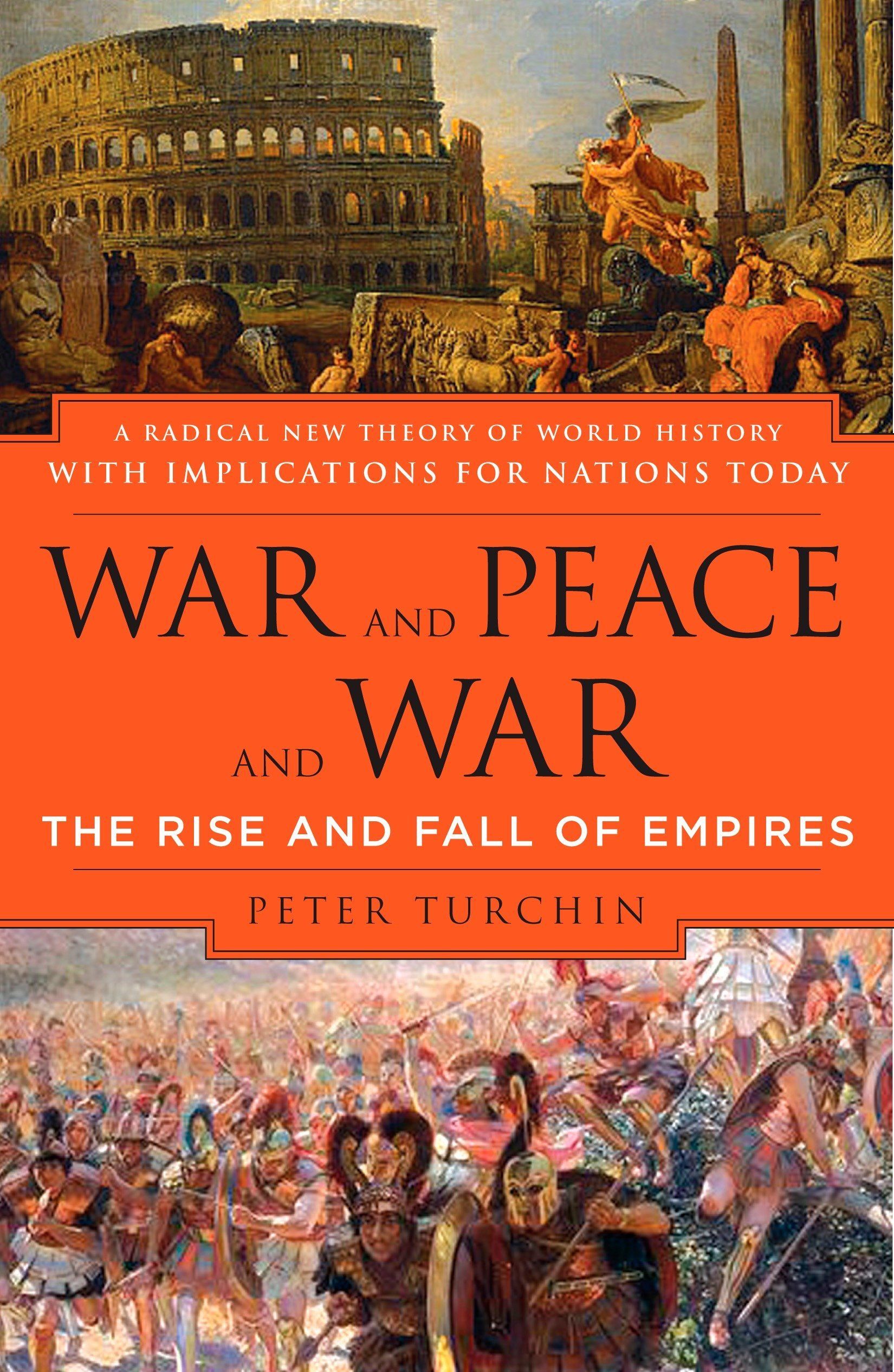
War and Peace and War

Feb 27, 2007Turchin, P.

Empires rise and fall, populations and economies boom and bust, world religions spread or wither…

In War and Peace and War, Peter Turchin uses his expertise in evolutionary biology to offer a bold new theory about the course of world history. Turchin argues that the key to the formation of an empire is a society’s capacity for collective action. He demonstrates that high levels of cooperation are found where people have to band together to fight off…

PlumeStates and EmpiresWar and Conflict
Book

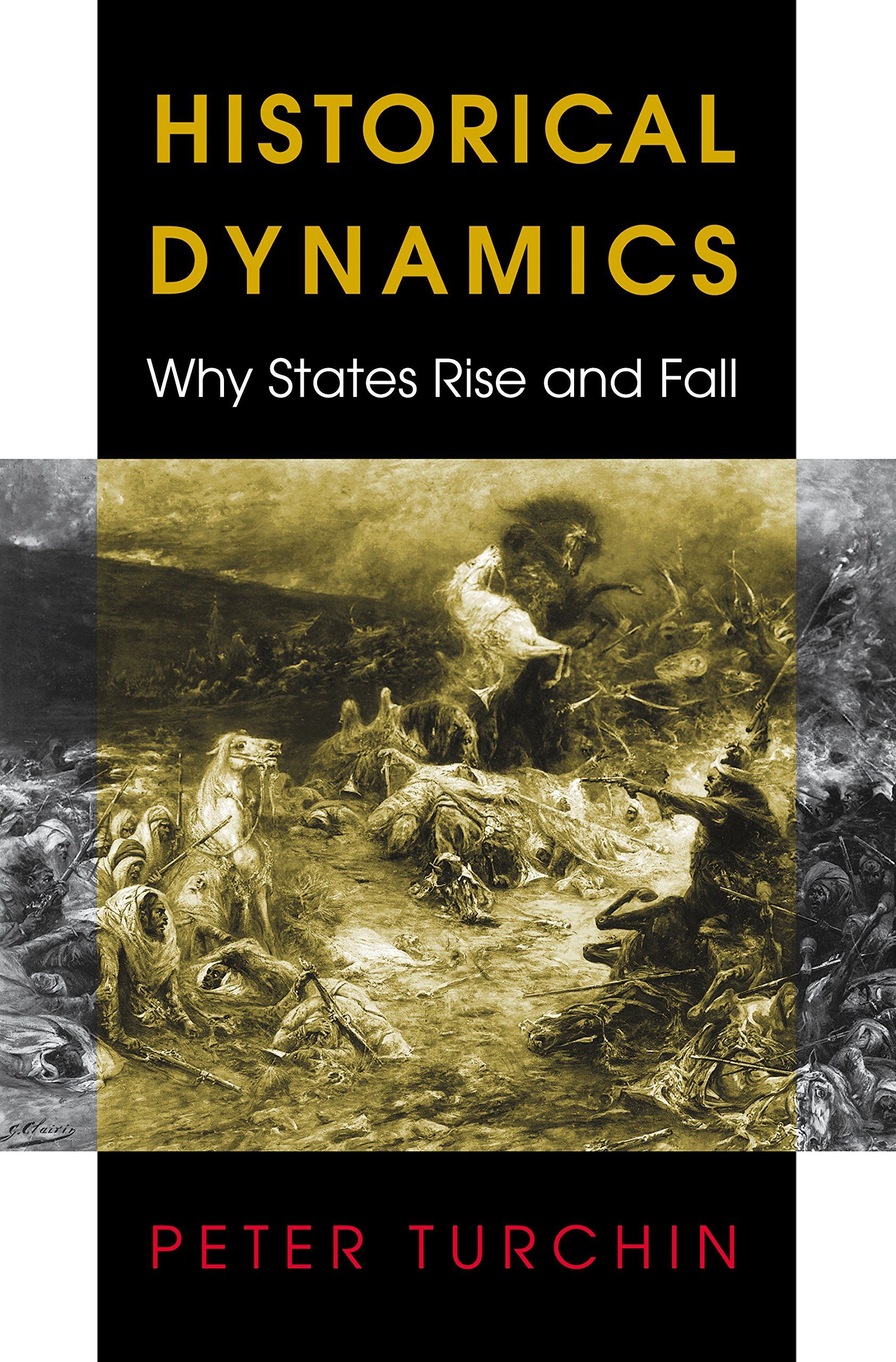
Historical Dynamics

Oct 19, 2003Turchin, P.

A Synthetic Approach to Historical Expansions and Contractions through Mathematical Modeling and Empirical Analysis

Why States Rise and Fall Many historical processes are dynamic. Populations grow and decline. Empires expand and collapse. Religions spread and wither. Natural scientists have made great strides in understanding dynamical processes in the physical and biological worlds using a synthetic approach that combines mathematical modeling with statistical…

Princeton University PressCliodynamicsStates and Empires
Publication

The Equinox2020 Seshat Data Release

Jun 7, 2020P., T., D., H., J., B., et al.

This report describes the current canonical time-series dataset named “Equinox2020,” a subset of Seshat: Global History Databank data for a well-curated list of polities and variables available on the Seshat Data Browser. The report provides an introduction to the methods and procedures of the Seshat project relating to the curation and release of the Equinox2020 dataset.

Cliodynamics: The Journal of Quantitative History and Cultural EvolutionHistorical DatabasesCultural Evolution