Media
Peter Turchin: Why Empires Rise & Fall
Peter Turchin has continued the work of Ibn Khaldun, by elaborating upon Khaldun's hypotheses and testing them against the wealth of historical data that we now possess.…
Load media from YouTube
The provider may receive technical information and set cookies when this media is loaded.
Description
Peter Turchin has continued the work of Ibn Khaldun, by elaborating upon Khaldun's hypotheses and testing them against the wealth of historical data that we now possess. By means of a structural demographic analysis of historical empires, Turchin has worked for years to generate mathematical models in order to explain the trends that seem to recur in every complex society. Now, with the data of 10,000 years of human activity on the group level, it may be possible to finally move beyond the preliminary, pseudo-scientific steps of the discipline of history, and proceed into a truly mathematized phase. This is the discipline that Turchin calls "Cliodynamics", after the Muse of history of Ancient Greece. His intention to leave behind the anthropological and archaeological studies that characterized history in the past, and bring mathematics into the field so that we can begin to make predictions.
Outlet
The Nietzsche Podcast
Format
Podcast · Video
Connections
Related work
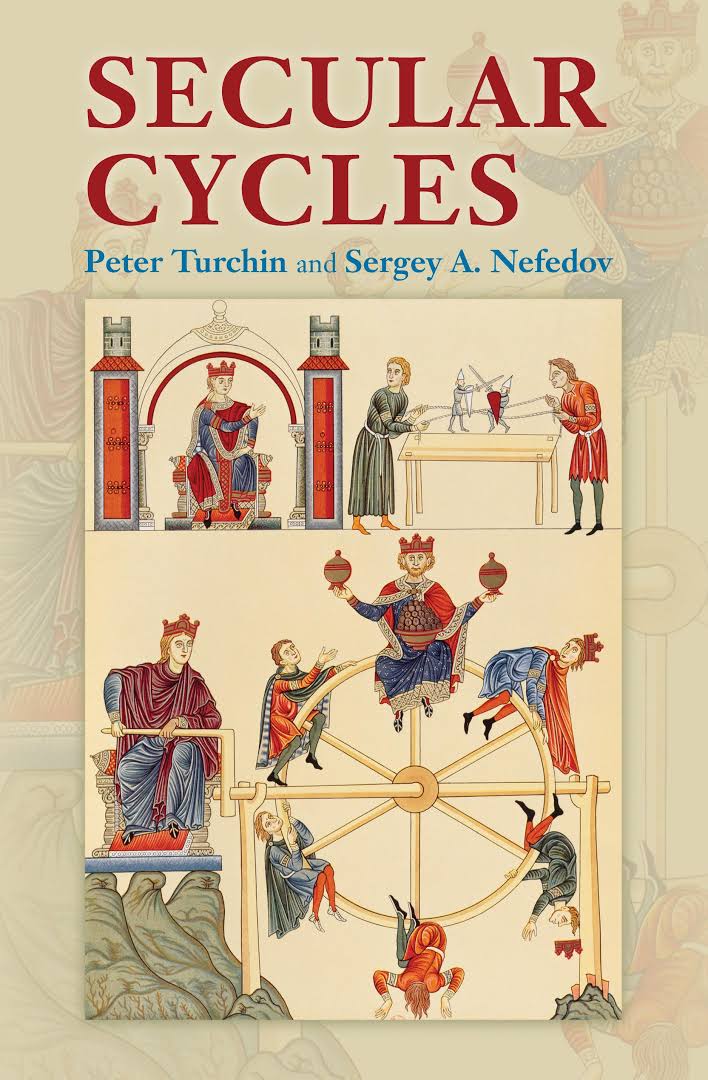
Secular Cycles
Unraveling the dynamics of History through Demographic, Economic, and Political Shifts in Agrarian Societies
Many historical processes exhibit recurrent patterns of change Century-long periods of population expansion come before long periods of stagnation and decline; the dynamics of prices mirror population oscillations; and states go through strong expansionist phases followed by periods of state failure, endemic sociopolitical instability, and territorial…
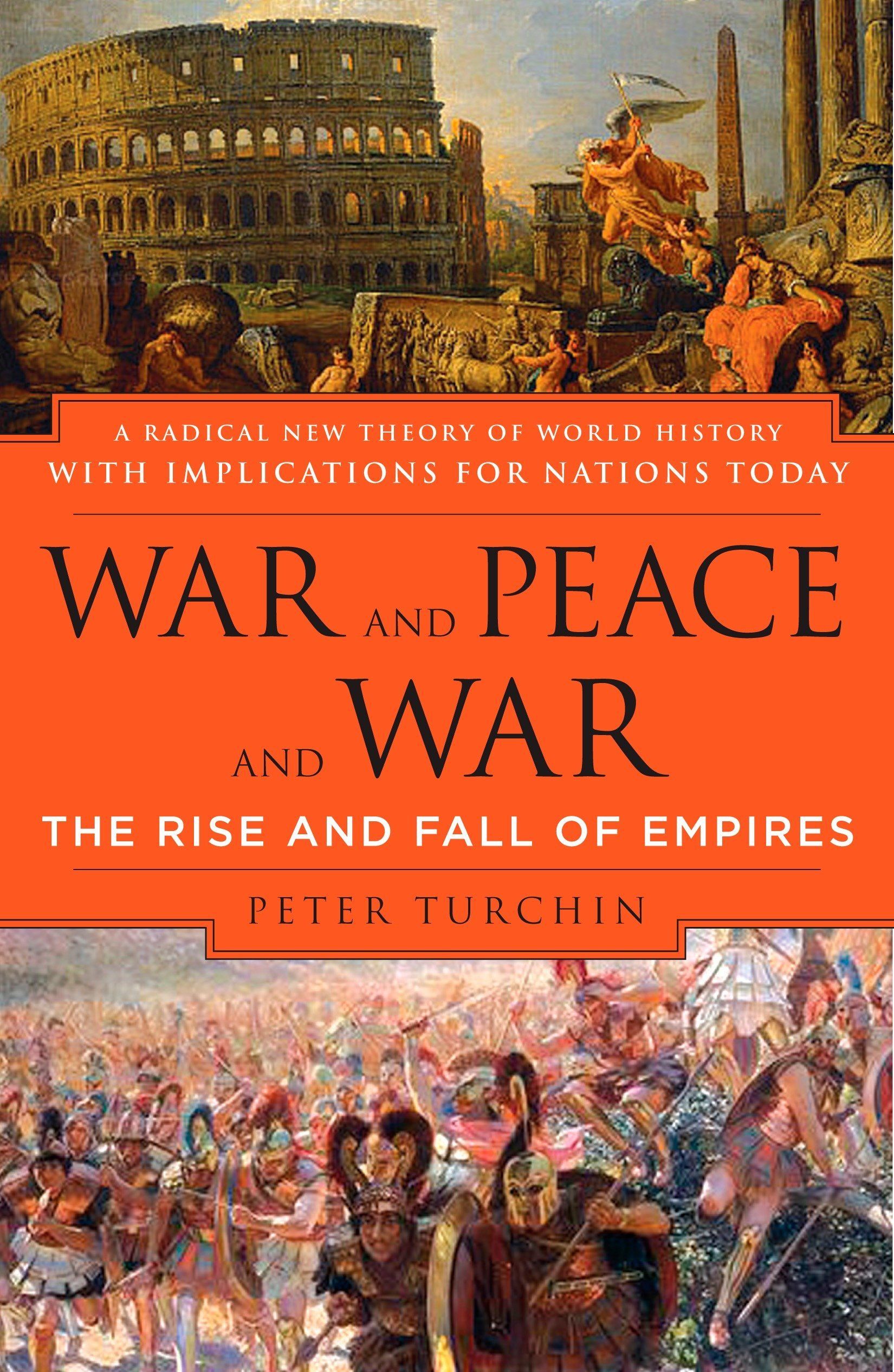
War and Peace and War
Empires rise and fall, populations and economies boom and bust, world religions spread or wither…
In War and Peace and War, Peter Turchin uses his expertise in evolutionary biology to offer a bold new theory about the course of world history. Turchin argues that the key to the formation of an empire is a society’s capacity for collective action. He demonstrates that high levels of cooperation are found where people have to band together to fight off…
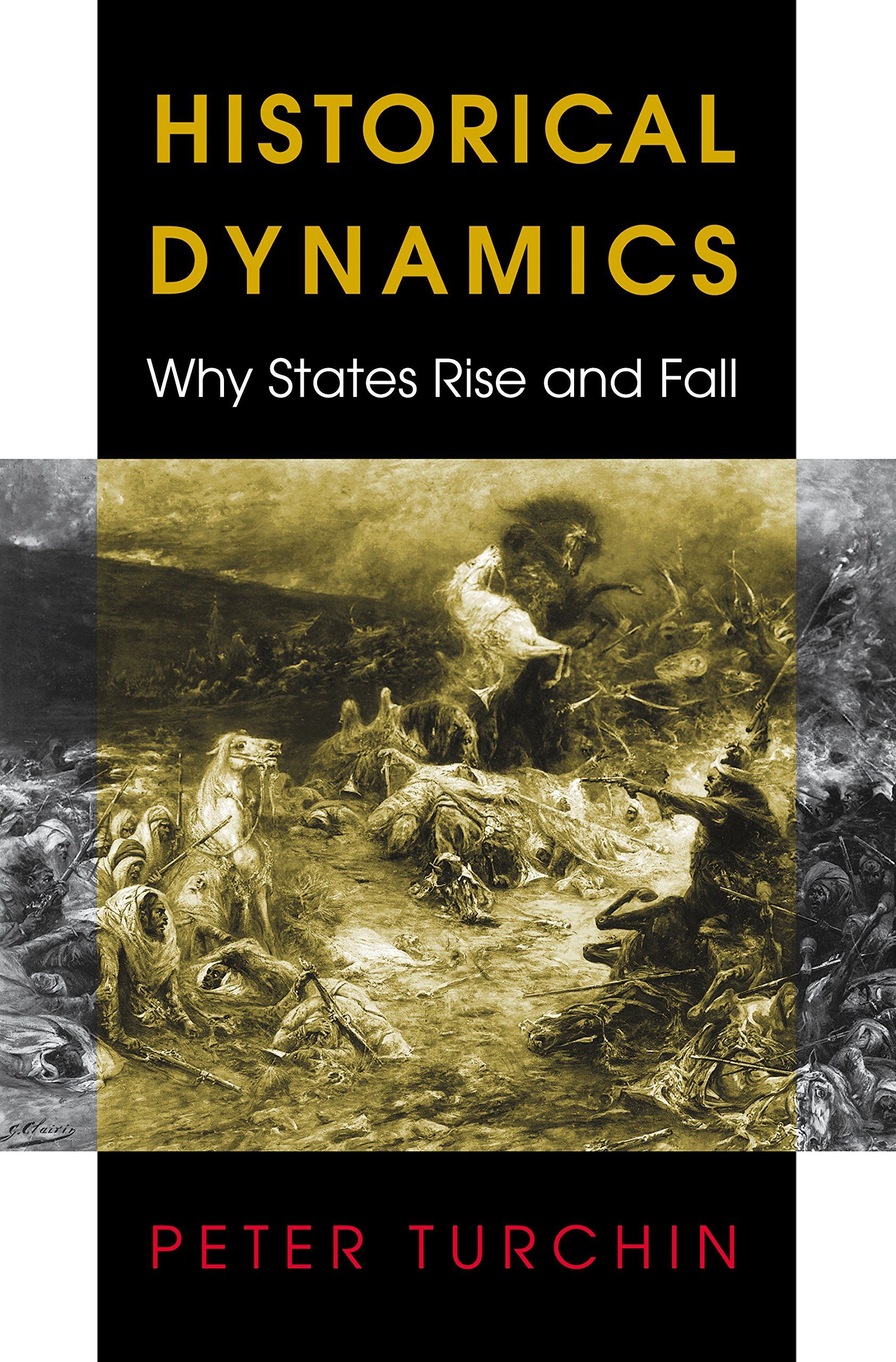
Historical Dynamics
A Synthetic Approach to Historical Expansions and Contractions through Mathematical Modeling and Empirical Analysis
Why States Rise and Fall Many historical processes are dynamic. Populations grow and decline. Empires expand and collapse. Religions spread and wither. Natural scientists have made great strides in understanding dynamical processes in the physical and biological worlds using a synthetic approach that combines mathematical modeling with statistical…

End Times
Elites, Counter-Elites, and the Path of Political Disintegration
From the pioneering co-founder of cliodynamics, the groundbreaking new interdisciplinary science of history, a big-picture explanation for America's civil strife and its possible endgames Peter Turchin, one of the most interesting social scientists of our age, has infused the study of history with approaches and insights from other fields for more than a…
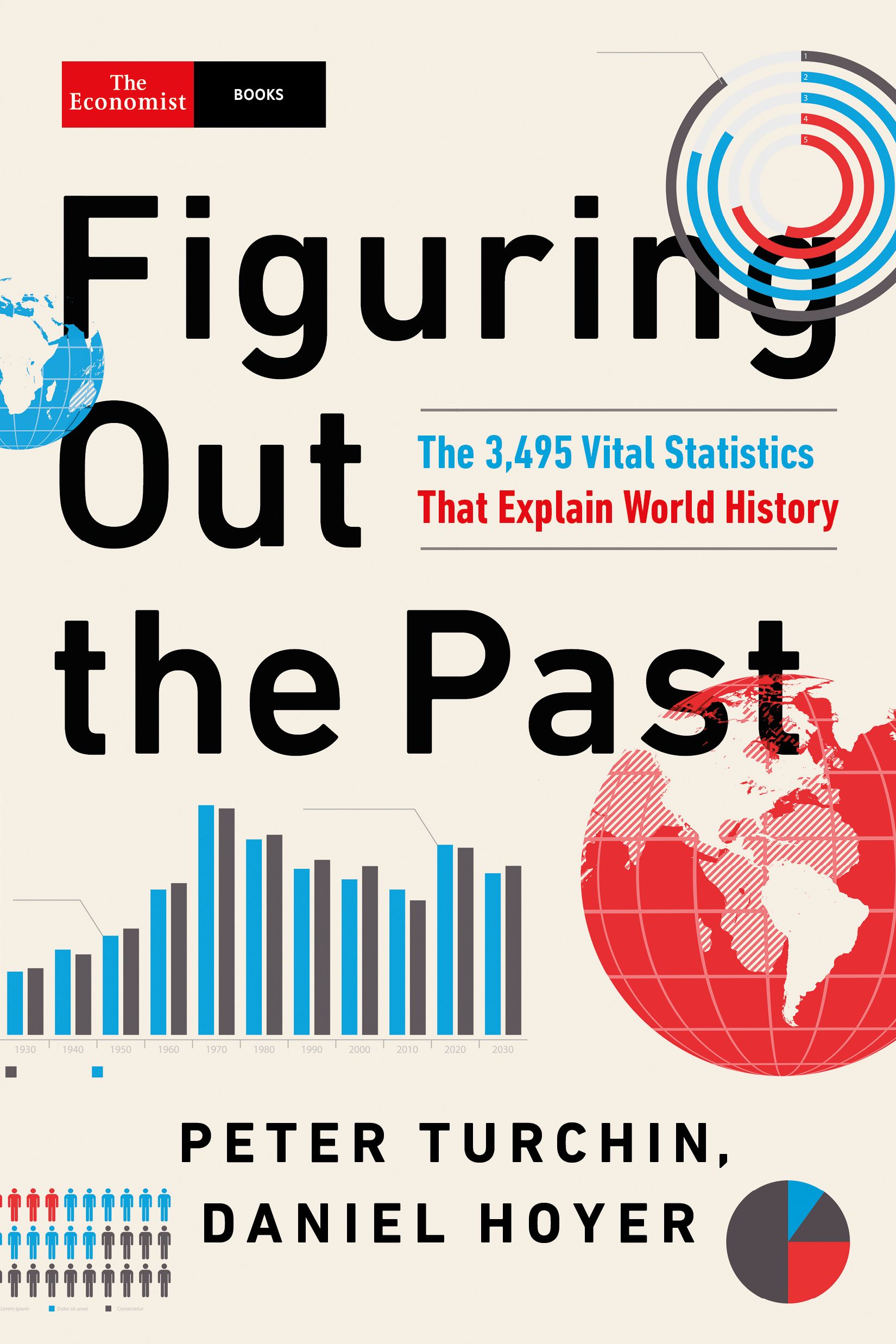
Figuring Out the Past: The 3,495 Vital Statistics that Explain World History
Discover the world records that define our history and jump headfirst into the past using scientific data that reveals accurate and insightful answers to life’s biggest questions.
What was history's biggest empire? Or the tallest building of the ancient world? What was the plumbing like in medieval Byzantium? The average wage in the Mughal Empire? Where did scientific writing first emerge? What was the bloodiest ever ritual human sacrifice? We are used to thinking about history in terms of stories. Yet we understand our own world…
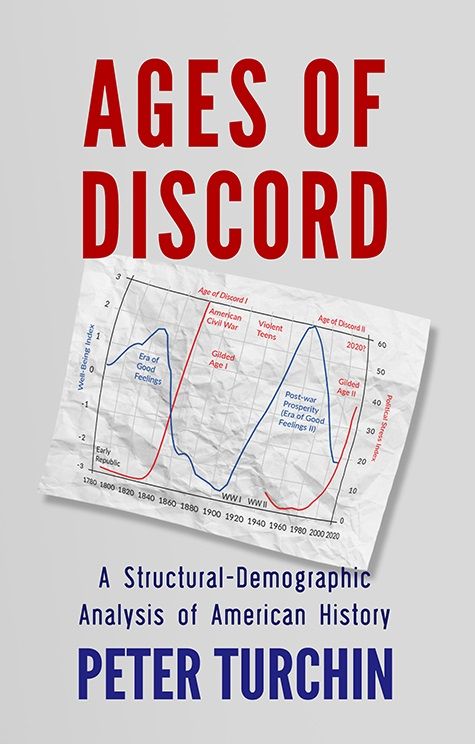
Ages of Discord
A Structural-Demographic Analysis of American History
The real wage of a US worker today is less than it was 40 years ago—but there are four times as many multimillionaires. As inequality grows, the politics become more poisonous. Every year, more and more Americans go on shooting sprees, killing strangers and passers-by—and now, increasingly, representatives of the state. Troubling trends of this kind are…