Research Topic
State Formation and Empires
The formation, expansion, integration, contraction, and collapse of states and empires over long historical periods.
Work on States and Empires
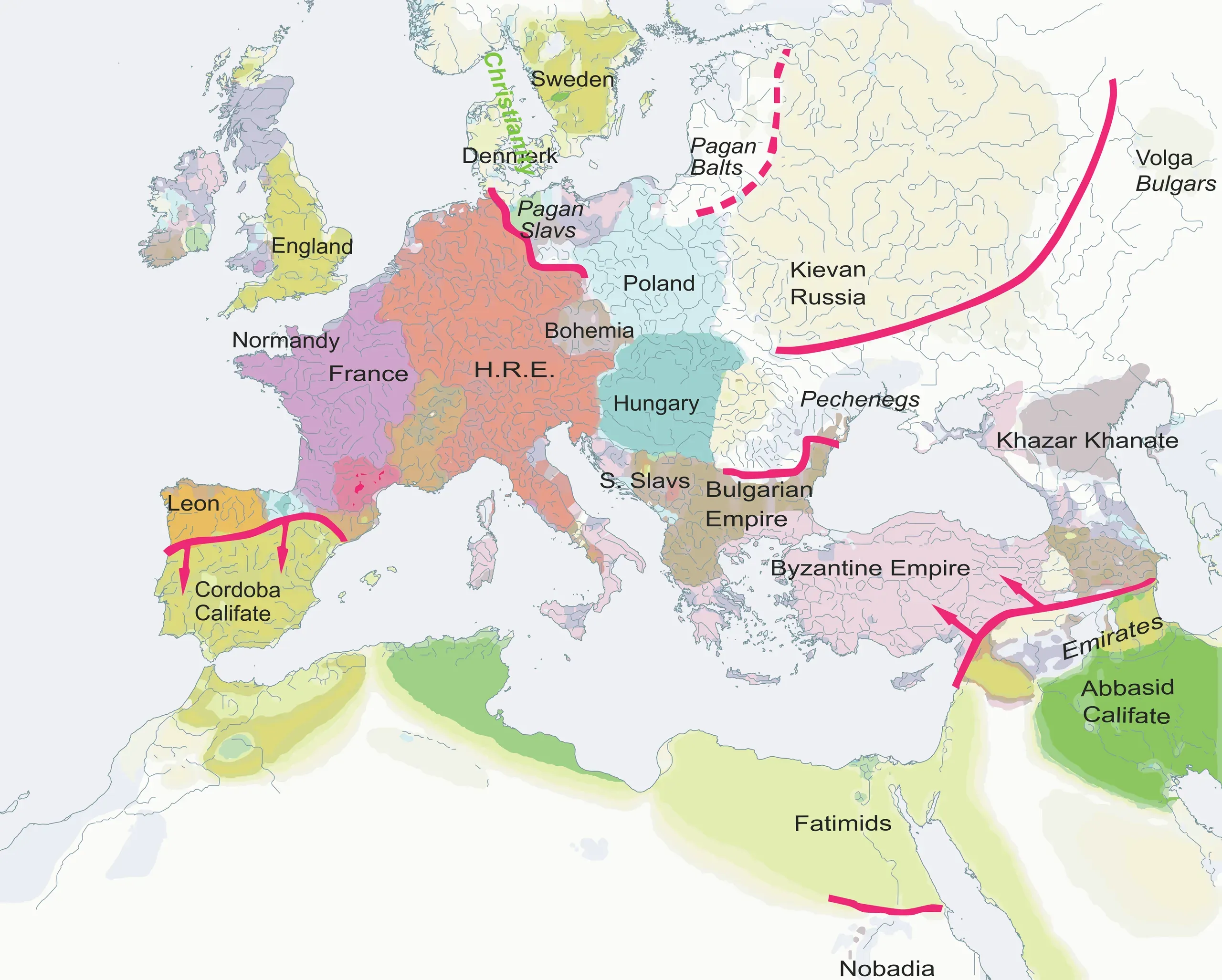
The Metaethnic Frontier Theory: An Empirical Test
Maps accompanying Chapter 5, “An Empirical Test of the Metaethnic Frontier Theory,” in Historical Dynamics.

Dissecting Corpses of Past Empires
Why History is Relevant to Our Current Predicament
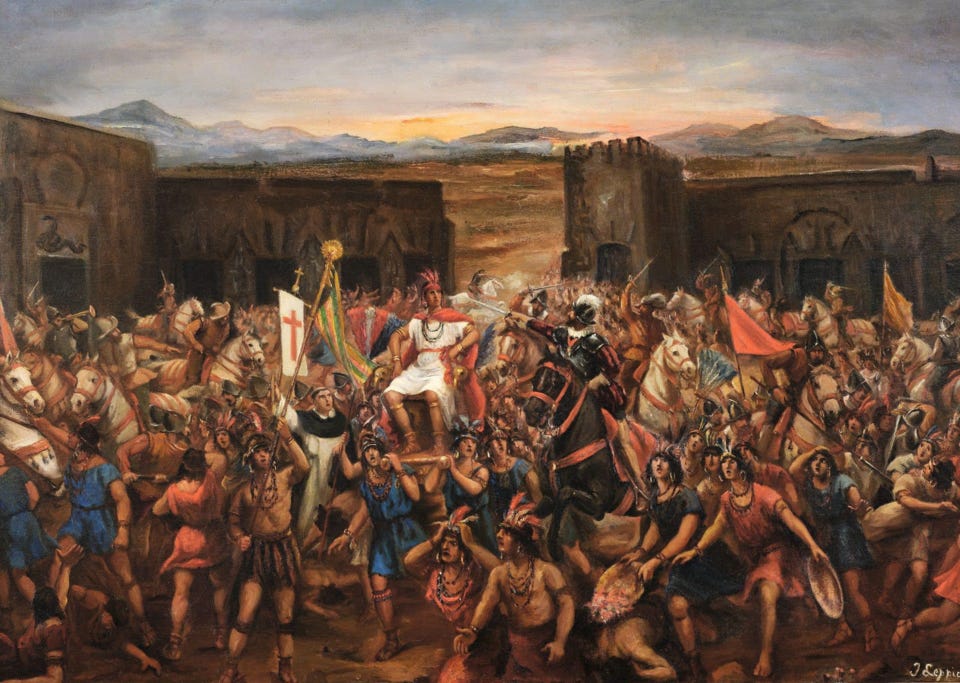
Decapitating Top Political Leadership: Does It Work?
An Unsystematic Historical Survey
Nero-Moments: How Collapse of Social Trust Leads to State Breakdown
Public trust in the US federal government has sunk to a new low. According to Pew Research Center, the proportion of Americans, who said they trusted the government “just about always” or “most of the time,” declined from a peak of 77% in 1964 to just 16% in 2023.1 This negative trend has huge implications, because the collapse of trust in the state’s…

Best ideas books of 2023
Can there be a science of history? Isaac Asimov’s Foundation series proposed an elite cadre of “psychohistorians” who could predict the future; in Peter Turchin’s End Times (Allen Lane), the proposed science of “cliodynamics” (after Clio, the Greek muse of history) is less confident of precise prediction but nonetheless makes much of the author’s own…

Climate change has toppled some civilizations but not others. Why?
The link between environmental disasters and societal collapse, explained. The Roman Empire fell more than 1,500 years ago, but its grip on the popular imagination is still strong, as evidenced by a recent trend on TikTok.…

Culture, polity, economy decide society's future in changing climate crises, researchers say
An interplay of cultural, political, and economic factors decides the course and outcomes of a "changing climate" crisis, and not environmental forces alone, researchers say. Drawing lessons from history, "not every ecological shock or climatic anomaly leads to collapse" and "not every crisis involves a major environmental stressor", the researchers at…

L'effondrement de la dernière dynastie chinoise des Qing, un avertissement pour le futur ? (French)
Plus de cent ans après l'abdication du dernier empereur de la dynastie Qing, des chercheurs estiment avoir identifié les différents facteurs (particulièrement instructifs) qui, combinés, ont mené au mécontentement de la population et de l'élite chinoises, conduisant aux rébellions du début du XIXe siècle.
Así fue el colapso de la última dinastía imperial china (Spanish)
En este estudio, los investigadores fusionaron varios factores y descubrieron que tres elementos aumentaron dramáticamente las presiones sociopolíticas. Un equipo de investigación internacional ha identificado las razones clave detrás del colapso de la dinastía Qing, última de la China imperial, revelando paralelismos con la inestabilidad moderna.
Qing Dynasty’s Collapse Driven By Three Things, And They Could Happen To Us
They say those who forget history are condemned to repeat it, a sentiment that underpins new research that’s identified three key drivers behind the collapse of the Qing Dynasty. Once an economy that was considerably wealthier in its time than modern-day China, it crumbled in 1912, and the proposed reasons behind it sound a little too close to home.

Warum die Qing-Dynastie unterging (German)
Zu Beginn des 19. Jahrhunderts hat China die Weltwirtschaft dominiert. Für den Niedergang danach gibt es eine Reihe von Erklärungen. Wiener Fachleute fügen dem nun eine neue hinzu: Mit Mitteln der Komplexitätsforschung wollen sie zeigen, warum die damals herrschende Qing-Dynastie unterging. Das Team um Peter Turchin vom Complexity Science Hub (CSH) wählte…
Structural-demographic analysis of the Qing Dynasty (1644–1912) collapse in China
This paper analyzes the collapse of the Qing dynasty (1644–1912) through the lens of the Structural Demographic Theory (SDT), a general framework for understanding the drivers of socio-political instability in state-level societies. Although a number of competing ideas for the collapse have been proposed, none provide a comprehensive explanation that incorporates the interaction of all the multiple drivers involved. We argue that the four-fold population explosion peaking in the 19th century, the growing competition for a stagnant number of elite positions, and increasing state fiscal stress combined to produce an increasingly disgruntled populace and elite, leading to significant internal rebellions. We find that while neither the ecological disasters nor the foreign incursions during the 19th century were sufficient on their own to bring down the Qing, when coupled with the rising internal socio-political stresses, they produced a rapid succession of triggering events that culminated in the Qing collapse.
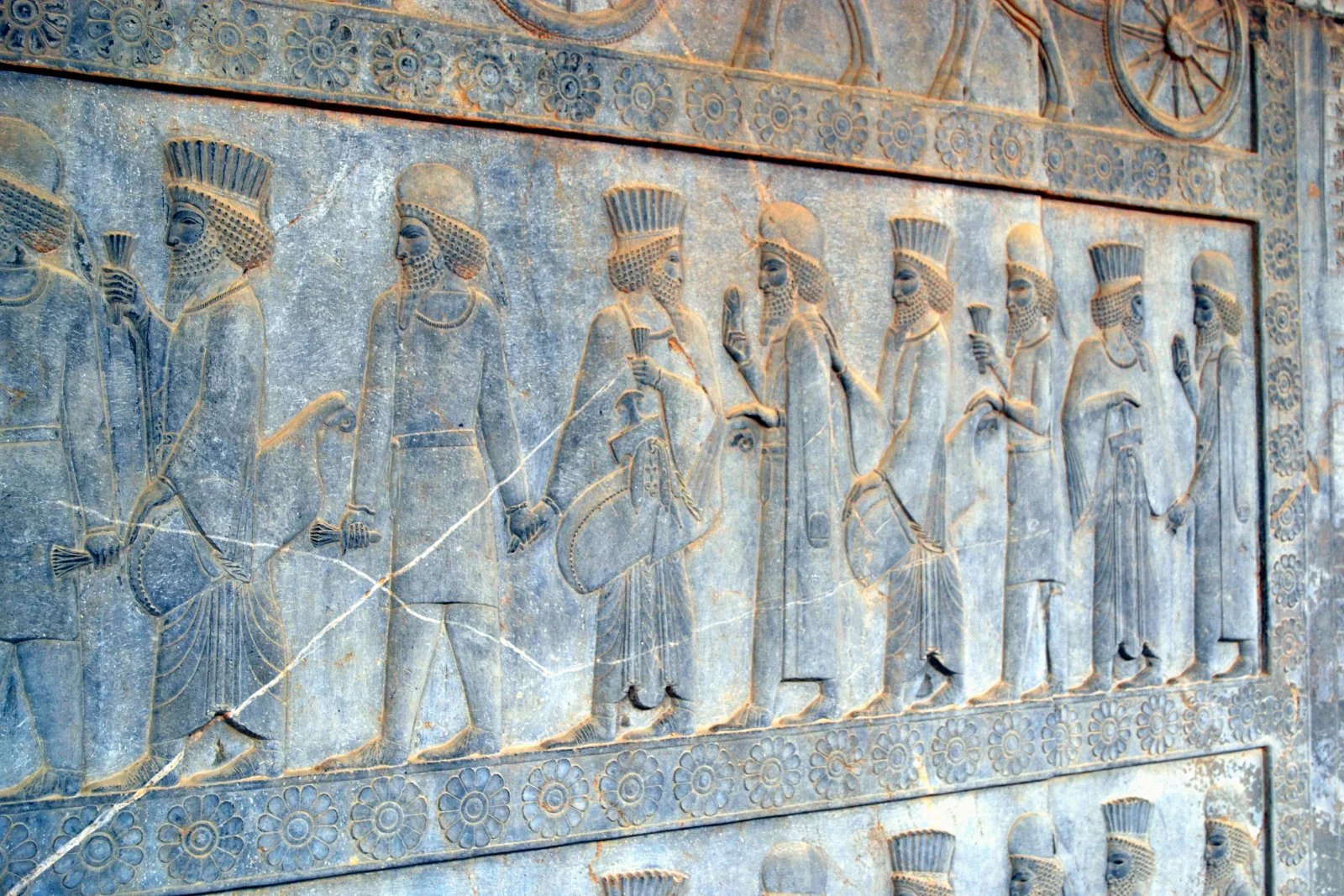
The Scythian Empire
The first “mega-empire” in history, which broke through the 3 mln sq. km territory threshold, is now known as the Achaemenid Empire . It preceded the rise of other early mega-empires: the Mauryans, the Han Dynasty, and the Romans.…
Peter Turchin: Why Empires Rise & Fall
Peter Turchin has continued the work of Ibn Khaldun, by elaborating upon Khaldun's hypotheses and testing them against the wealth of historical data that we now possess.…
Structural-Demographic Analysis of the Qing Dynasty (1644–1912) Collapse in China
This paper analyzes the collapse of the Qing dynasty (1644–1912) through the lens of the Structural Demographic Theory (SDT), a general framework for understanding the drivers of socio-political instability in state-level societies. Although a number of competing ideas for the collapse have been proposed, none provide a comprehensive explanation that incorporates the interaction of all the multiple drivers involved. We argue that the four-fold population explosion during the 19th century, the competition for a stagnant number of elite positions, and increasing state fiscal stress combined to produce an increasingly disgruntled populace and elite, leading to significant internal rebellions. We find that while neither the ecological disasters nor the foreign incursions witnessed during the 19th century were sufficient on their own to bring down the Qing, when coupled with the rising internal socio-political stresses, they produced a rapid succession of triggering events that culminated in the Qing collapse. Published In PLOS ONE
Expanding Scale of Human Society
Central to our mission at Science of the Noosphere is an exploration of the modern scientific perspective on how the noosphere evolved and expanded over time, from its origins in small paleolithic human groups to our emerging global civilization.…
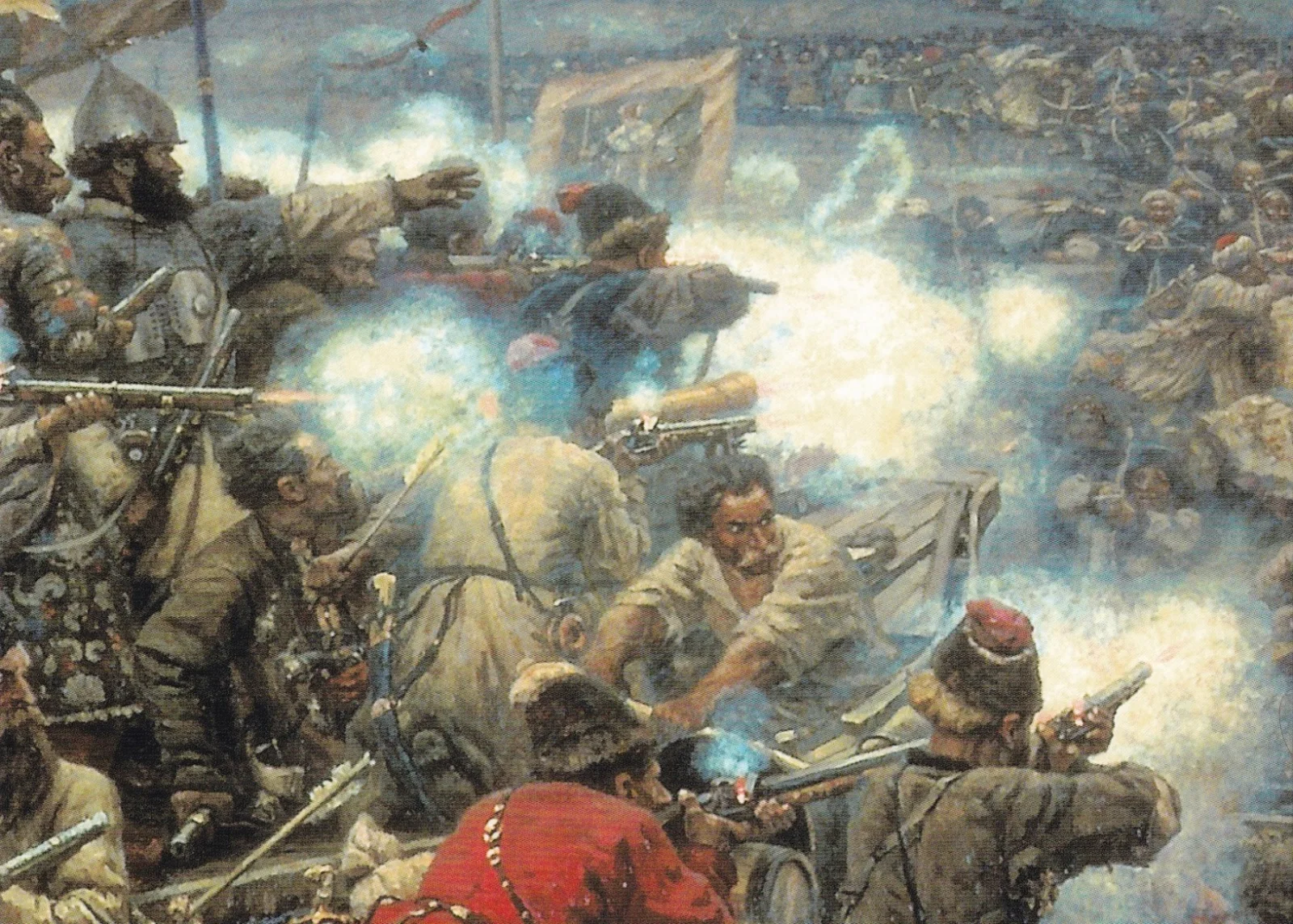
War and Peace and War: Two Decades Later
Recently there has been a lot of interest in translating my books into non-English languages, a development that I heartily welcome (I touched upon it in my previous post and in this one ).…

Exploring Alternative Ancient Histories: a Guest Post by James Bennett
The brilliant atomic physicist Enrico Fermi was notorious for unnerving PhD candidates during their oral examinations by asking ‘How many piano tuners are there in the city of Chicago?’ The point of the question, besides the psychological effect, was to…