
Browse this topic
Age of Discord II
A structural-demographic analysis of long-term changes in American well-being, elite competition, state capacity, and political instability.
Structural-Demographic Theory
Structural-demographic theory was developed by Goldstone and others (Nefedov 2003, Turchin 2003, Korotayev et al. 2011) as a tool for understanding long-term social pressures that lead to revolutions, civil wars, and other major outbreaks of socio-political instability.
Pourquoi la thèse d’une « surproduction d’élites » passe à côté de la colère des jeunes
Une enquête sur la thèse de la surproduction d’élites, son usage dans le débat français et les objections de sociologues. Peter Turchin y précise son analyse des inégalités et des crises sociales, en s’opposant à la restriction de l’accès à l’université.
Les leçons de Turchin pour comprendre le chaos français
Eugénie Bastié revient sur Le Déclin des empires et les travaux de Peter Turchin sur la cohésion sociale, la concurrence entre élites et les cycles de désintégration, en les rapprochant de la situation française.

Paris en feu : pourquoi Peter Turchin avait compris les ressorts de notre chaos
Dans cet éditorial, Peggy Sastre mobilise les travaux de Peter Turchin pour analyser les violences à Paris : appauvrissement des classes populaires, concurrence entre élites et affaiblissement des capacités de l’État.
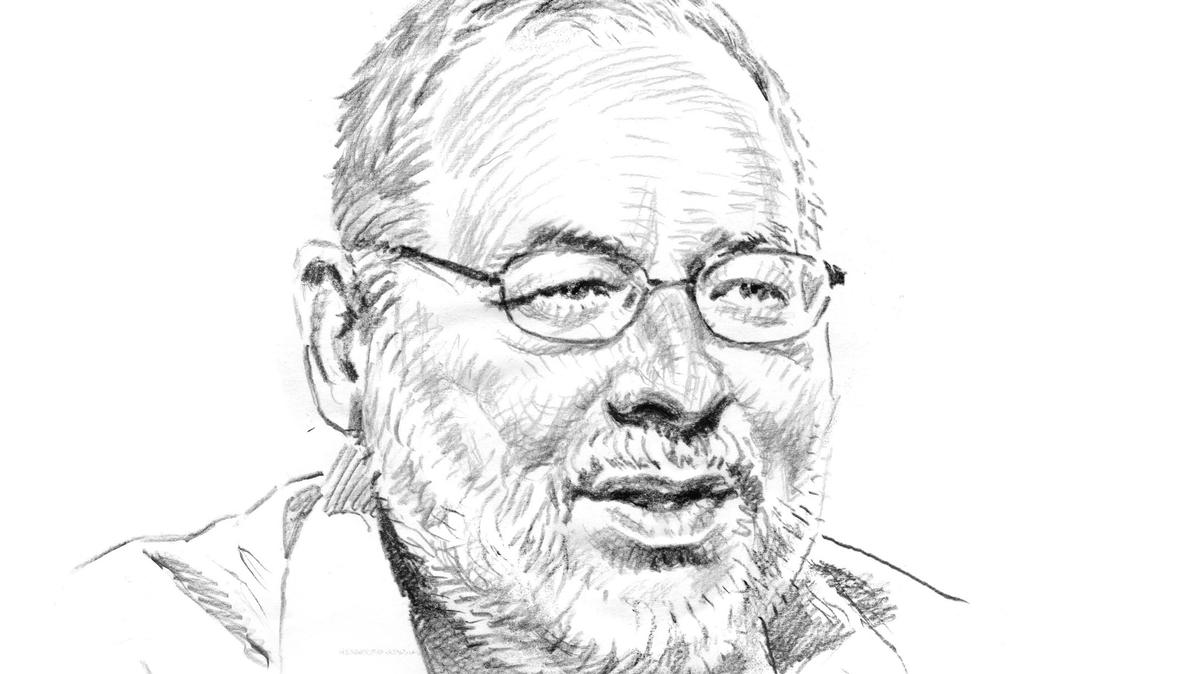
Peter Turchin : «Surproduction d’élites, crise budgétaire… En France, les ingrédients pour une crise majeure sont réunis»
ENTRETIEN - Dans son best-seller aux États-Unis Le Chaos qui vient, désormais disponible en poche en France, le spécialiste de l’évolution des sociétés* apporte un éclairage saisissant sur la crise que traversent les pays occidentaux. Sa thèse : nous produisons trop d’aspirants au pouvoir et l’histoire montre que cela finit toujours mal.
Peter Turchin, Overproduction of Elites and Social Instability
Overproduction of Elites and Social Instability A Short Introduction to Cliodynamics A conversation with Peter Turchin Project Leader at the Complexity Science Hub, Vienna

Cliodynamics of End Times II
Coin Hoards Give Us a Quantitative Proxy for Instability Dynamics

Cliodynamics of End Times I
Complex Dynamics of Political Instability
The author of "Elite Overproduction Will Destroy a Nation" talks about the world and Japan in 2026 (Japanese)
The theory advocates structural-demographic theory (SDT), which explains how large societies organized as nation-states periodically experience political instability due to polarization, social divisions, and institutional dysfunction.…
À New York, la victoire de Zohran Mamdani et des « précaires diplômés »
Le nouveau maire socialiste de la ville-monde porte aussi la colère des citoyens éduqués frustrés de ne pas accéder à l’élite.
Peter Turchin: The Collapse of Complex Societies, Elite Overproduction, and Social Unrest
Dr. Peter Turchin is Emeritus Professor at the University of Connecticut in the departments of ecology and evolutionary biology, anthropology, and mathematics. He is a project leader at the Complexity Science Hub Vienna and a research associate at the School of Anthropology at the University of Oxford.…

Zohran Mamdani y la revuelta del precariado cualificado
La victoria del candidato socialista en Nueva York se vio impulsada en gran medida por los precarios con titulación: jóvenes con título universitario o superior que ganan lo justo para sobrevivir. La principal noticia política de la semana es la victoria de Zohran Mamdani en las elecciones a la alcaldía de Nueva York.…
A Structural-Demographic Analysis of Japan: 1945–2050
Is it possible to forecast the dynamics of societal resilience and its obverse, sociopolitical unrest or even breakdown? This is the goal of Structural-Demographic Theory (SDT), which integrates mechanism-based models with data and focuses on the dynamics of structural drivers for instability over the long-term (thus, requiring a historical approach). Several recent studies utilizing the SDT framework have proven adept at predicting (or “retrodicting”) sociopolitical instability in c.20 past societies. It was also used in 2010 to successfully forecast the outbreak of US instability for 10 years in the future (in 2020). This study applies the SDT to explore the dynamics of another contemporary society. Our aim is to empirically test SDT in a most rigorous way, using it to forecast future dynamics of sociopolitical instability in Japan. Our research questions are: (1) how accurately (if at all) does the SDT framework predict future levels of sociopolitical instability; (2) What are the relative contributions of possible drivers of instability, including those proposed by SDT, as well as other theories, in explaining instability levels; and (3) are there key ‘leverage points’ that might help mitigate the negative consequences of instability? This article explains how we develop quantitative indices for SDT drivers of instability: mass immiseration, elite overproduction, and state fiscal distress. We then construct a Political Stress Index to track the evolution of these pressures from the 1990s to the present and implement a multipath forecasting model to project future trends through 2050, using a variety of intervention (or non-intervention) scenarios. Our plan is to revisit these predictions ten years in the future with the goal of assessing their accuracy.

Delta’s struggles with the airport lounge and the angst of the upper middle class in the age of ‘elite overproduction,’ explained
Delta Air Lines is having a good 2025, reporting strong second-quarter earnings and reinstating its April profit guidance, leading to a substantial stock bump (up roughly 16% from June to July).…
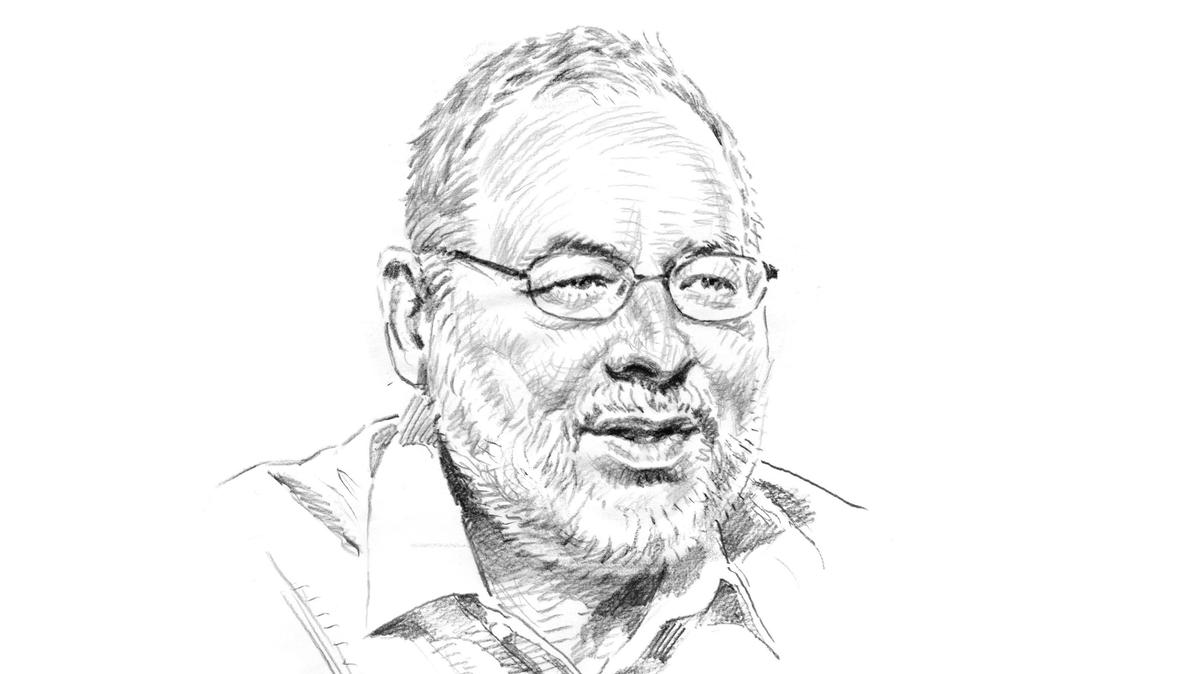
Peter Turchin : «Une surproduction d’élites conjuguée à un appauvrissement des masses peut mener au chaos»
En France, comme dans le reste de l’Occident, les jeunes sont de plus en plus nombreux à être diplômés. En l’absence d’un nombre suffisant de postes à pourvoir, cela engendre de la frustration et crée, in fine, des dynamiques dangereuses.
Young, angry, educated — and raring to rebel
New York’s Democratic mayoral hopeful Zohran Mamdani taps into an energy mirrored in Corbynism: overqualified graduates who are pro-rent control, anti-Israel and agitating for change

Municipales : dans les grandes métropoles, la frustration des surdiplômés, carburant politique de LFI
ANALYSE - Une étude de Cluster 17 pour la Fondation Jean Jaurès, publiée le 10 juin, montre que les diplômés précaires sont surreprésentés dans les grandes métropoles.…