Research Topic
Historical Databases and Quantitative History
The construction and analysis of comparative historical datasets used to evaluate explanations of long-term social change.
Work on Historical Databases
Cliodynamics
Cliodynamics is a transdisciplinary field for investigating long-term historical change through explicit theory, mathematical and computational models, quantitative analysis, and large comparative databases.
Current Research Projects
Combining quantitative analysis with large historical datasets, Peter Turchin and collaborators study how complex societies evolve, why they periodically enter crisis, and why some recover while others undergo severe breakdown.
Why Do We Need Mathematical History?
Mathematical and computational methods make theories of historical change explicit enough to derive predictions, trace complex consequences, and test competing explanations against evidence.
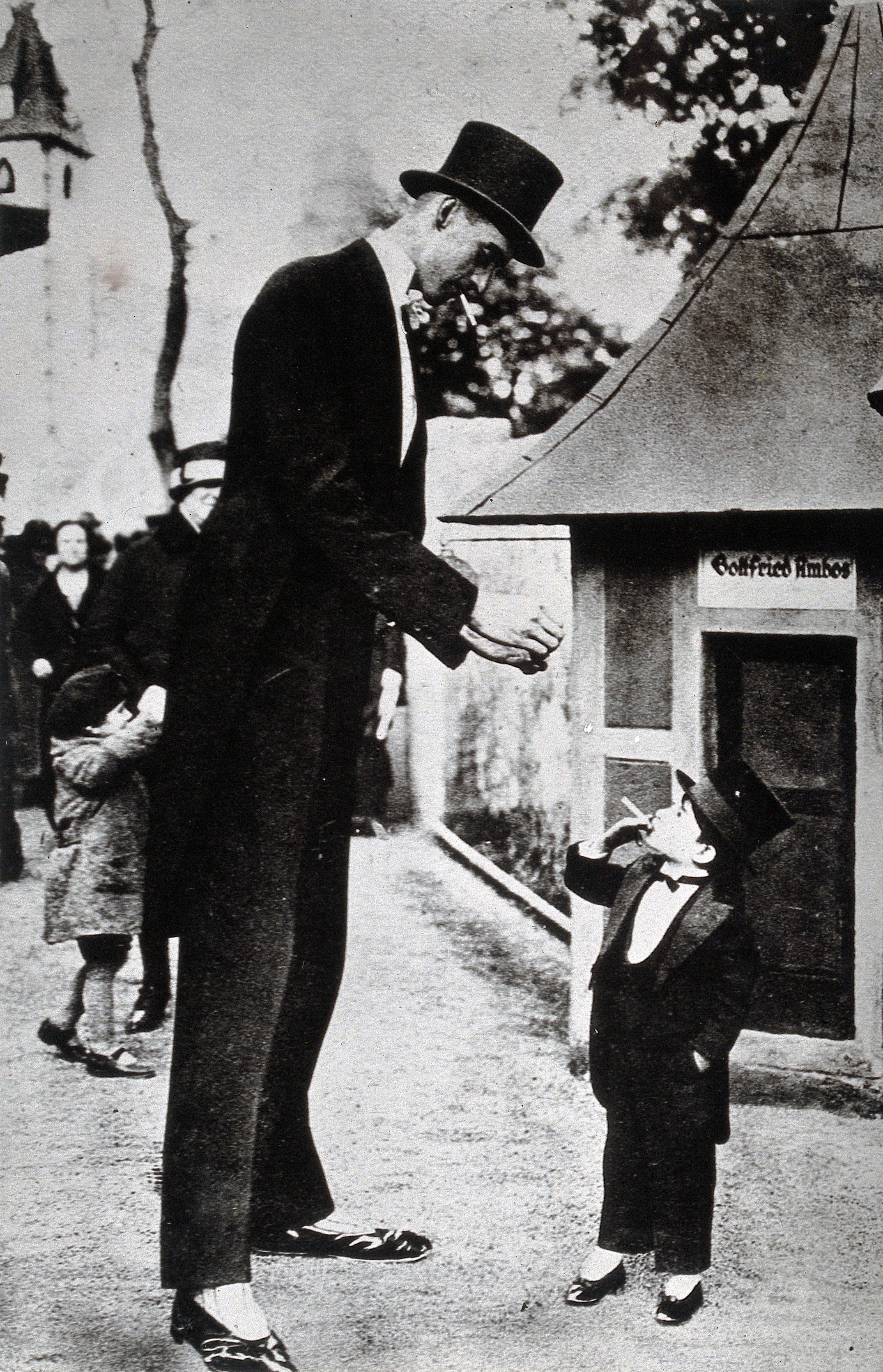
Tracking Well-Being by Population Height
A Cross-National Comparison
New Study Uncovers How War Fueled the Rise of Complex Societies
In an ambitious leap forward for the scientific understanding of human societal evolution, Peter Turchin, a leading complexity scientist, unveils groundbreaking insights in his new book, The Great Holocene Transformation.…
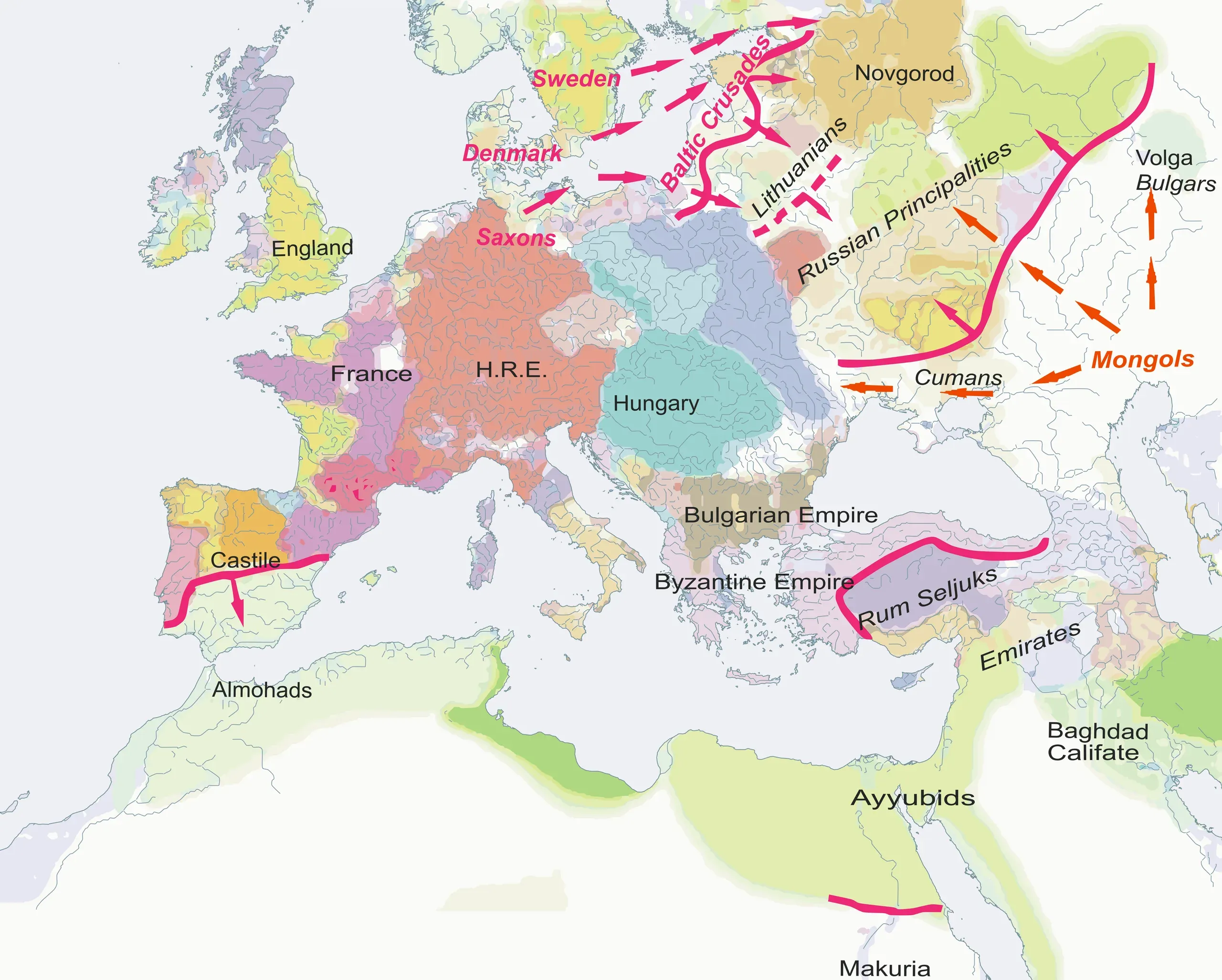
Cliopatria - A geospatial database of world-wide political entities from 3400BCE to 2024CE
The scientific understanding of the complex dynamics of global history – from the rise and spread of states to their declines and falls, from their peaceful interactions with economic or diplomatic exchanges to violent confrontations – requires, at its core, a consistent and explicit encoding of historical political entities, their locations, extents and durations. Numerous attempts have been made to produce digital geographical compendia of polities with different time depths and resolutions. Most have been limited in scope and many of the more comprehensive geospatial datasets must either be licensed or are stored in proprietary formats, making access for scholarly analysis difficult. To address these issues we have developed Cliopatria, a comprehensive open-source geospatial dataset of worldwide states from 3400BCE to 2024CE. Presently it comprises over 1600 political entities sampled at varying timesteps and spatial scales. Here, we discuss its construction, its scope, and its current limitations.

AI models struggle with expert-level global history knowledge
Researchers recently evaluated the ability of advanced artificial intelligence (AI) models to answer questions about global history using a benchmark derived from the Seshat Global History Databank.…
Soil Fertility Depletion is not a Credible Mechanism for Population Boom/Bust Cycles in Early Agricultural Societies
Soil fertility depletion presents a negative feedback mechanism that could have impacted early adopters of agriculture. We consider whether such feedback can lead to population cycles among early agriculturalists, such as the boom-and-bust patterns suggested by an increasing amount of evidence for Neolithic Europe. Using general mathematical arguments, we show that this is unlikely, due to the interplay of two factors. First, there is an important mathematical difference between biotic (i.e., logistic) and abiotic resource replenishment; soil nutrients are better modeled by the abiotic case, which leads to more stable dynamics. Second, under realistic conditions, the resource replenishment process operates on fast time scales compared to attainable population growth rates, reinforcing the tendency towards stable dynamics. Both these factors are relevant for early agricultural societies and imply that nutrient depletion is likely not the main contributing factor to boom-and-bust cycles observed in the archaeological record.
Cliopatria - A geospatial database of world-wide political entities from 3400BCE to 2024CE
The scientific understanding of the complex dynamics of global history – from the rise and spread of states to their declines and falls, from their peaceful interactions with economic or diplomatic exchanges to violent confrontations – requires, at its core, a consistent and explicit encoding of historical political entities, their locations, extents and durations. Numerous attempts have been made to produce digital geographical compendia of polities with different time depths and resolutions. Most have been limited in scope and many of the more comprehensive geospatial datasets must either be licensed or are stored in proprietary formats, making access for scholarly analysis difficult. To address these issues we have developed Cliopatria, a comprehensive open-source geospatial dataset of worldwide states, political groups, events, and rulers from 3400BCE to 2024CE. Presently it comprises over 1800 political entities sampled at varying timesteps and spatial scales. Here, we discuss its construction, its scope, and its current limitations.
All Crises are Unhappy in their Own Way: The role of societal instability in shaping the past
Societal ‘crises’ are periods of turmoil and destabilization in socio-cultural, political, economic, and other systems, often accompanied by varying amounts of violence and sometimes significant changes in social structure. The extensive literature analyzing societal crises has concentrated on relatively few historical examples (large-scale events such the fall of the Roman Empire or the French and Russian Revolutions) emphasizing different aspects of these events as potential causes or consistent effects. To investigate crises and prior approaches to explaining them, and to avoid a potential small-sample size bias present in several previous studies, we sought to uniformly characterize a substantial collection of historical crises, spanning millennia, from the prehistoric to post-industrial, and afflicting a wide range of polities in diverse global regions; the Crisis Database (CrisisDB). Here, we describe this dataset which comprises 168 crises suggested by historians and characterized by a number of significant 'consequences' (such as civil war, epidemics, or loss of population) including also institutional and cultural reforms (for example improved sufferance or constitutional changes) that might occur during and immediately following the crisis period. Our analyses show that the consequences experienced by each crisis is highly variable. The outcomes themselves are uncorrelated with one another and, overall, the set of consequences is largely unpredictable when compared to other large-scale properties of society suggested by previous scholars such as its territorial size, religion, administrative size, or historical recency. We conclude that there is no ‘typical’ societal crisis of the past, but crisis situations can take a variety of different directions. We offer some suggestions on the forces that might drive these varying consequences for exploration in future work.
Fall 2023: An Update
The last update on “What I am working on” was posted a year ago , and it is high time to do another. Last year was very intense. It started with preparing for the publication of my trade book, End Times , which came out on June 13 in the US and UK.…

Klima und Geschichte
Es ist umstritten, wie stark historische Ereignisse durch Klimaschwankungen mitbestimmt werden. Forschende sind einem Verständnis der Zusammenhänge nun näher gekommen. Forschende um Daniel Hoyer und Peter Turchin (Complexity Science Hub Vienna) sind der Entwirrung der komplexen Wechselbeziehungen nun einen Schritt näher gekommen: Sie haben alle…
Navigating polycrisis: long-run socio-cultural factors shape response to changing climate
Climate variability and natural hazards like floods and earthquakes can act as environmental shocks or socioecological stressors leading to instability and suffering throughout human history. Yet, societies experience a wide range of outcomes when facing such challenges: some suffer from social unrest, civil violence or complete collapse; others prove more resilient and maintain key social functions. We currently lack a clear, generally agreed-upon conceptual framework and evidentiary base to explore what causes these divergent outcomes. Here, we discuss efforts to develop such a framework through the Crisis Database (CrisisDB) programme. We illustrate that the impact of environmental stressors is mediated through extant cultural, political and economic structures that evolve over extended timescales (decades to centuries). These structures can generate high resilience to major shocks, facilitate positive adaptation, or, alternatively, undermine collective action and lead to unrest, violence and even societal collapse. By exposing the ways that different societies have reacted to crises over their lifetime, this framework can help identify the factors and complex social–ecological interactions that either bolster or undermine resilience to contemporary climate shocks.
Polykrisen: Sozialer Zusammenhalt macht Gesellschaft widerstandsfähig (German)
Der Ansicht vieler Forscher oder politischer Analysten nach befinden wir uns in einer "Polykrise" aus Klimawandel, Naturkatastrophen, wirtschaftlicher Ungleichheit, politischer Lagerbildung, gewaltsamen Konflikten und mehr.…
Sozialer Zusammenhalt hilft bei multiplen Krisen (German)
Ob Klimawandel, wirtschaftliche Ungleichheit oder politische Lagerbildung - immer wieder ist zu hören, dass wir in Zeiten der Krisen leben. Forscherinnen und Forscher haben nun eine historische Datenbank ähnlicher Krisen aufgebaut, um nach Faktoren zu suchen, die beim Bewältigen der Situationen geholfen haben.…
Why do some environmental shocks lead to disaster while others don't?
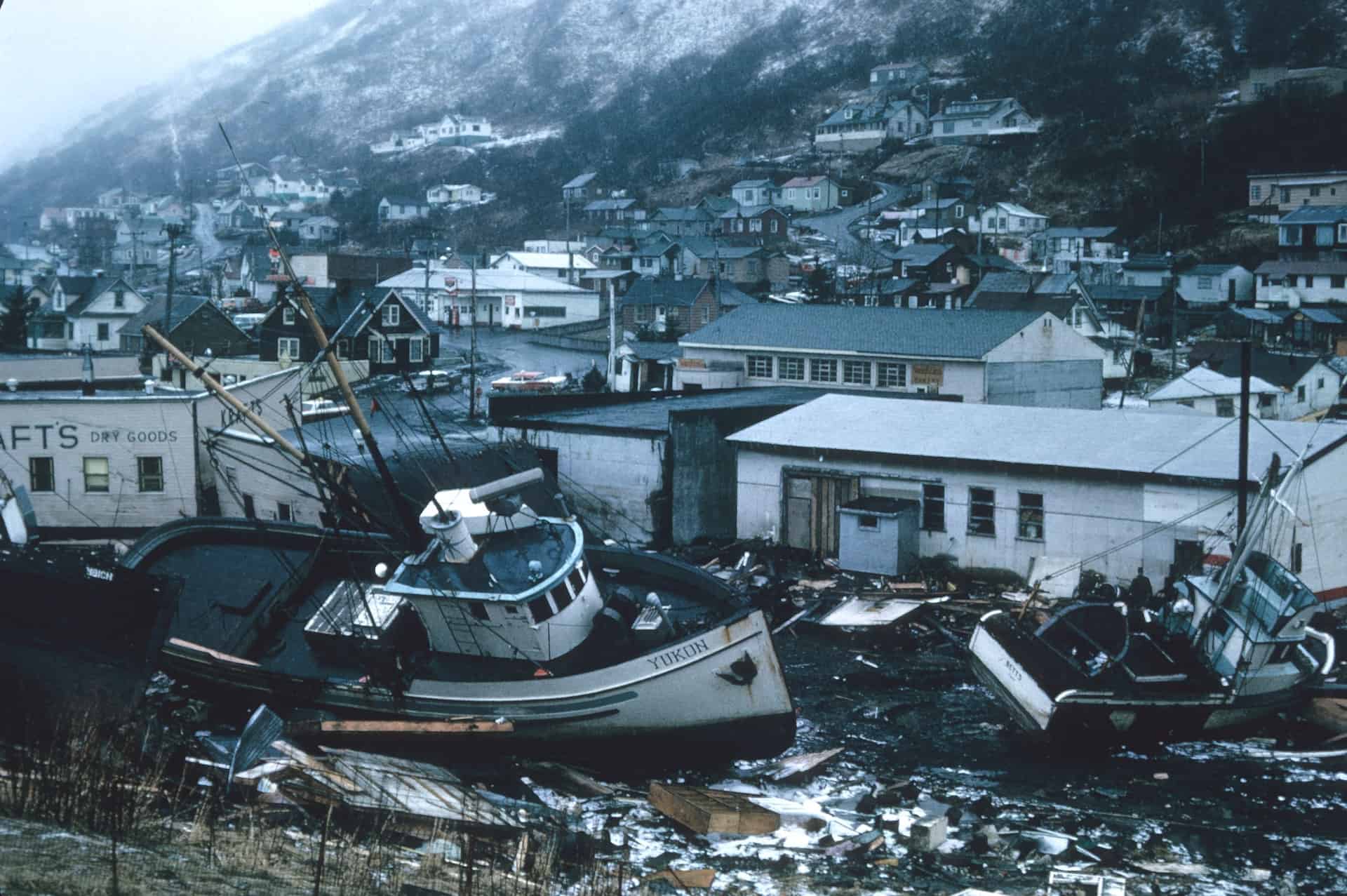
It's no longer just about stopping, but how we can live with climate change. To figure this out, we must delve into our cultures, as highlighted in a special issue of The Royal Society. A study by the Complexity Science Hub points out how our history could help guide the way. Currently, we are grappling with a global crisis convergence.…

Zusammenhalt macht Gesellschaft widerstandsfähig (German)
Kriege, Inflation, Klimaerwärmung etc.: Die Gegenwart ist geprägt von einer „Polykrise“. In der Geschichte hat es solche Mehrfachkrisen immer wieder gegeben. Eine neue Studie zeigt nun, welche Faktoren es einer Gesellschaft erlauben, solche Situationen zu meistern. Stabilität bringt demnach vor allem sozialer Zusammenhalt.
Testing 17 Theories on the Development of Complex Civilizations
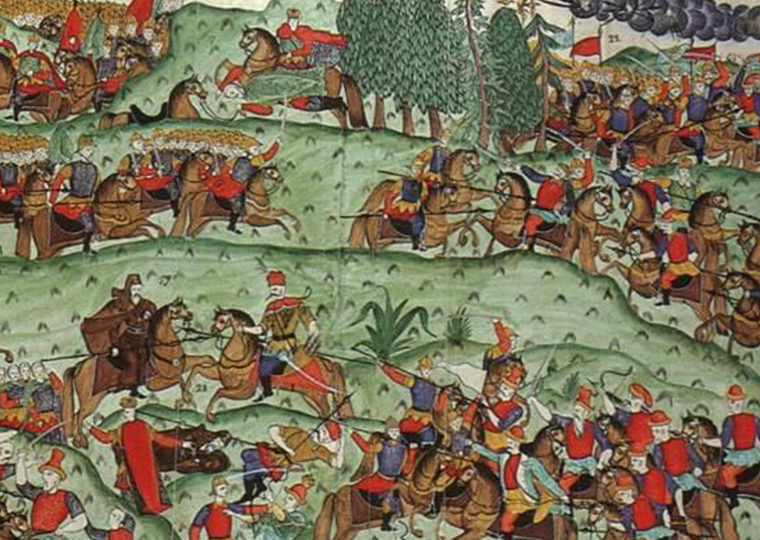
Large-scale data project produces stark conclusion: military technology + agricultural productivity caused the takeoff. Generations of scholars have tried to explain what drove societies to evolve, over the past 10,000 years or so, from tiny settlements of a few hundred people to modern, highly organized states of hundreds of millions.…