The year that has just ended was personally very difficult for me. First, in April my wife developed a very serious medical condition—it was really touch-and-go, and she ended up spending ten days in the hospital. Thankfully, we survived this challenge and now she is back to normal.
Next came my turn. My heart indicators had been becoming increasingly dire over the past few years. I switched to paleo diet 12 years ago, with immediate and lasting health benefits. It is now clear to me that without this change, I would have this surgery much earlier (or died). The effect lasted for about ten years, but then my genetics started to catch up with me. I have a terrible history of cardiovascular disease in my family. Both my parents had heart problems. My paternal grandfather and younger brother died from a heart attack.
In any case, as I went through a series of tests last July it became clear that I would need a coronary bypass surgery. As my cardiologist said, "Peter, you are a ticking bomb." It all happened very fast. A week after the stress test I had an angiogram procedure, and a week after that my chest was opened up and the heart rewired (re-piped?).
In light of the recent assassination of the health insurance CEO Brian Thompson, I must say that I have no complaints about how my wife and I were treated by our insurance. American medicine is not perfect—it’s really weak on prevention and you need to acquire a lot of medical knowledge yourself if you want to get the full benefit from the system. We went through three cardiologists before settling on the one we have now (who is excellent). But American medicine shines when you have an acute life-threatening problem, such as an incipient heart attack. I didn’t need to wait three months for my operation. My surgeon had done three thousand (3,000, Carl!) bypass surgeries before mine. And our insurance paid for everything.
It's been five months since the surgery. I feel 95% recovered (although that last 5% is taking a long time…) I am back to normal work-wise. But all these medical problems set me back by at least three months. In particular, I was planning to finish my current book, The Great Holocene Transformation, by the end of summer—instead the first complete draft was only ready for peer review by December 1.
But this book is now on track. I’ve already received good comments from a bunch of colleagues, and am now working on the final draft. The book will go into production by January 31 (inshallah; after last year I am keenly aware of the frailty of human life…). I have all technical specialists lined up, so I expect a publication date in May or June. The GHT will be, of course, published by my boutique imprint, Beresta Books. I actually received an offer from a good academic press to publish it, but decided to stick with Beresta. There is really no advantage for me of publishing with an academic press, while the disadvantage is that it would take a year longer to get it out.
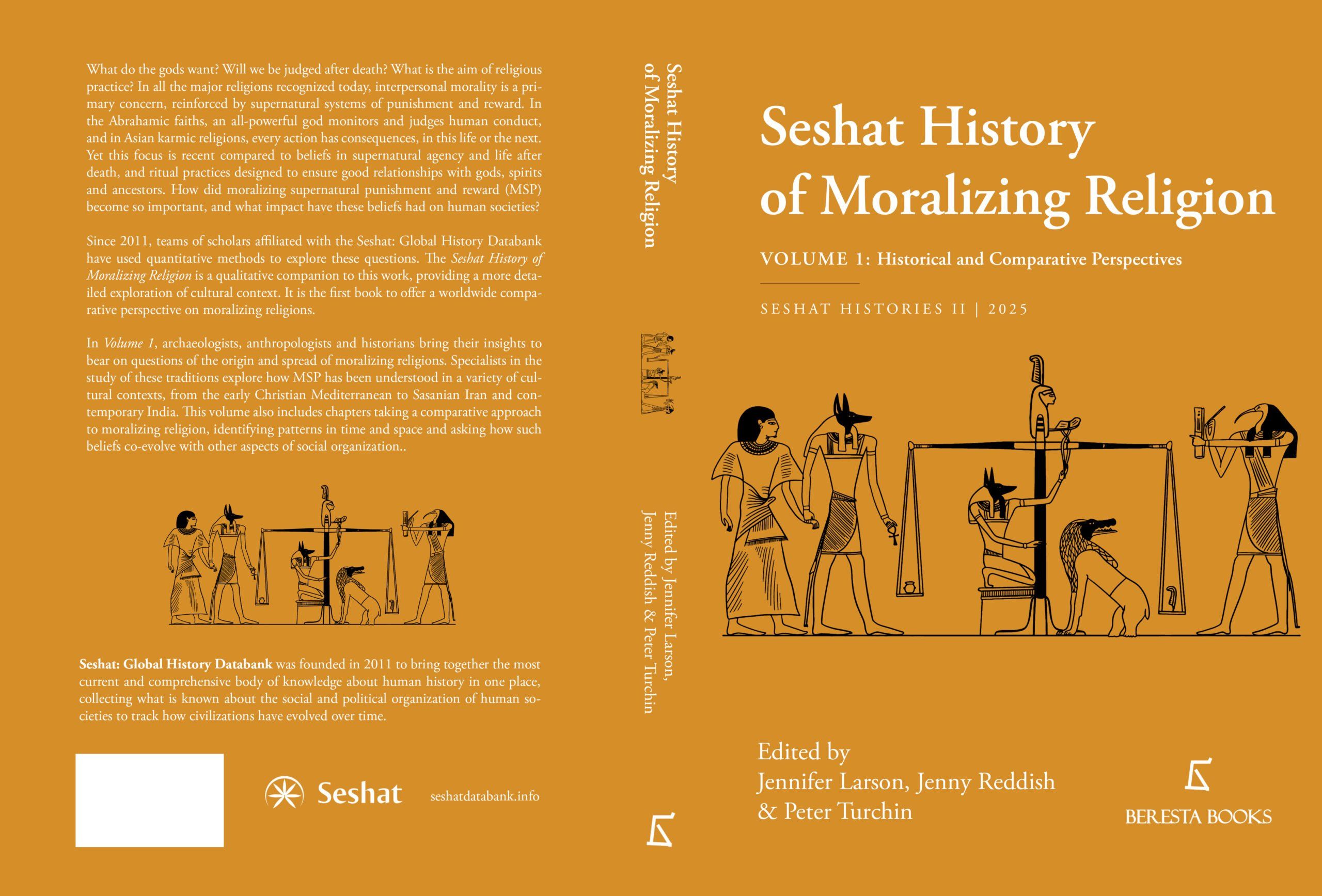
In other Beresta Books news, The Seshat History of Moralizing Religion is finally nearing publication. This book, of which I am one of the editors, took a long time. But that is normal for edited multi-author books. Formal peer review also took time. As off today, the book has been copy-edited, typeset, and galleys checked, so that it is ready for the indexer. We also have a cover (which I really like).
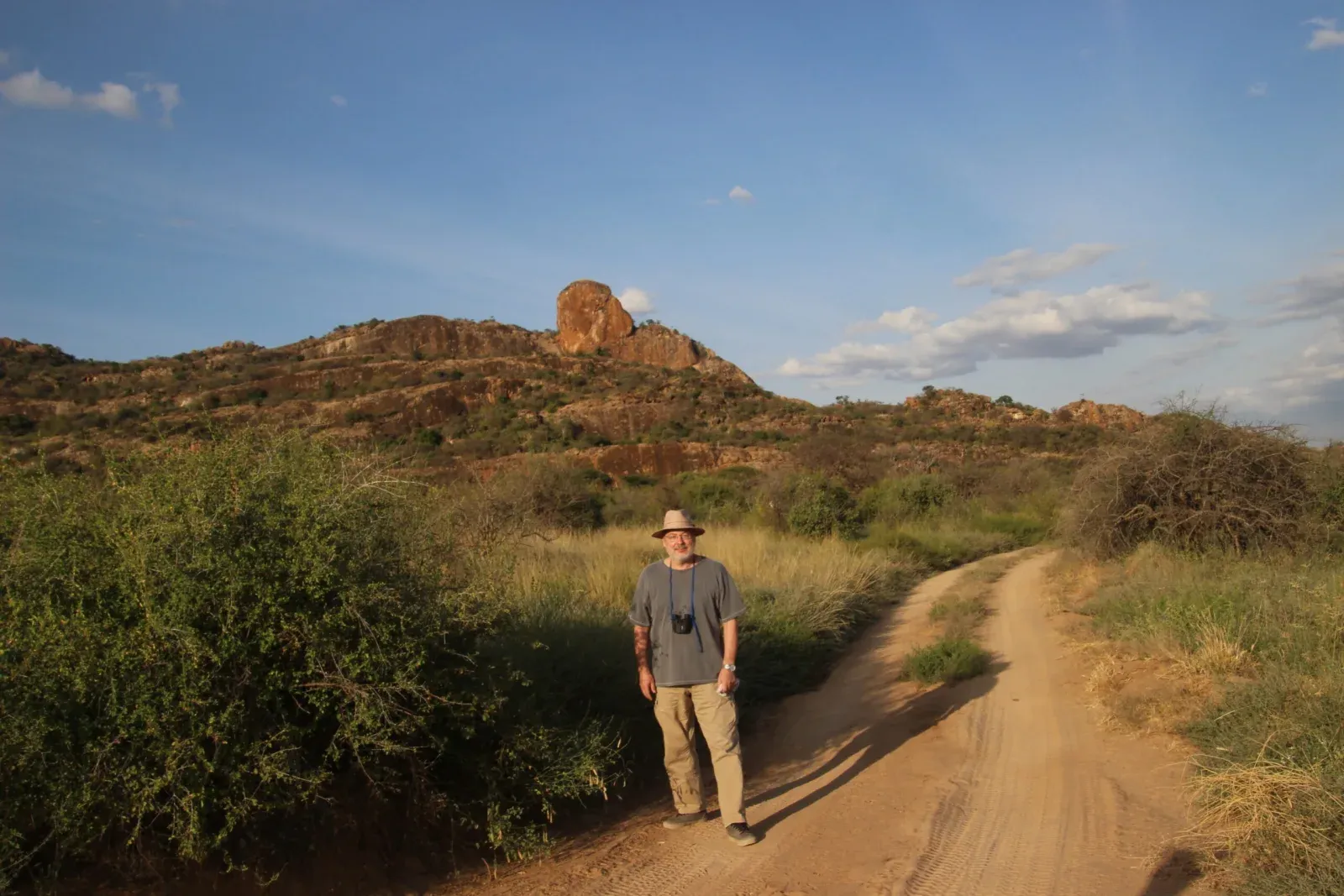
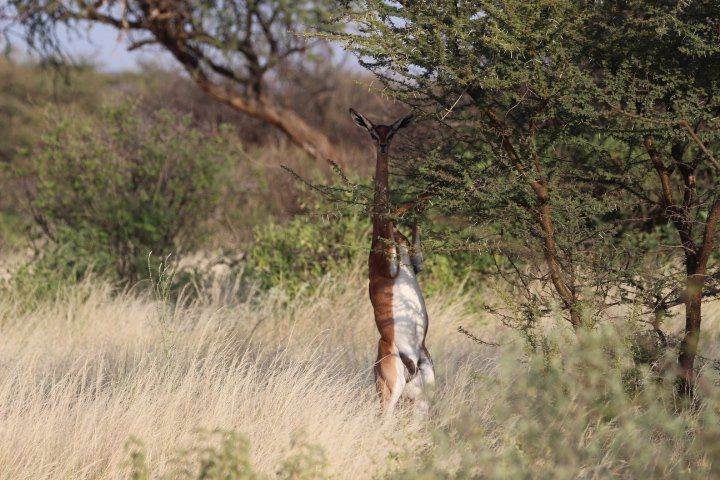
Despite all the health challenges, I managed to squeeze some good travel in 2024. I went to Kenya for my annual African pilgrimage. This time I decided to go solo, which worked quite well. I was also lucky to see the famous Serengeti migration. The trip was fantastic.
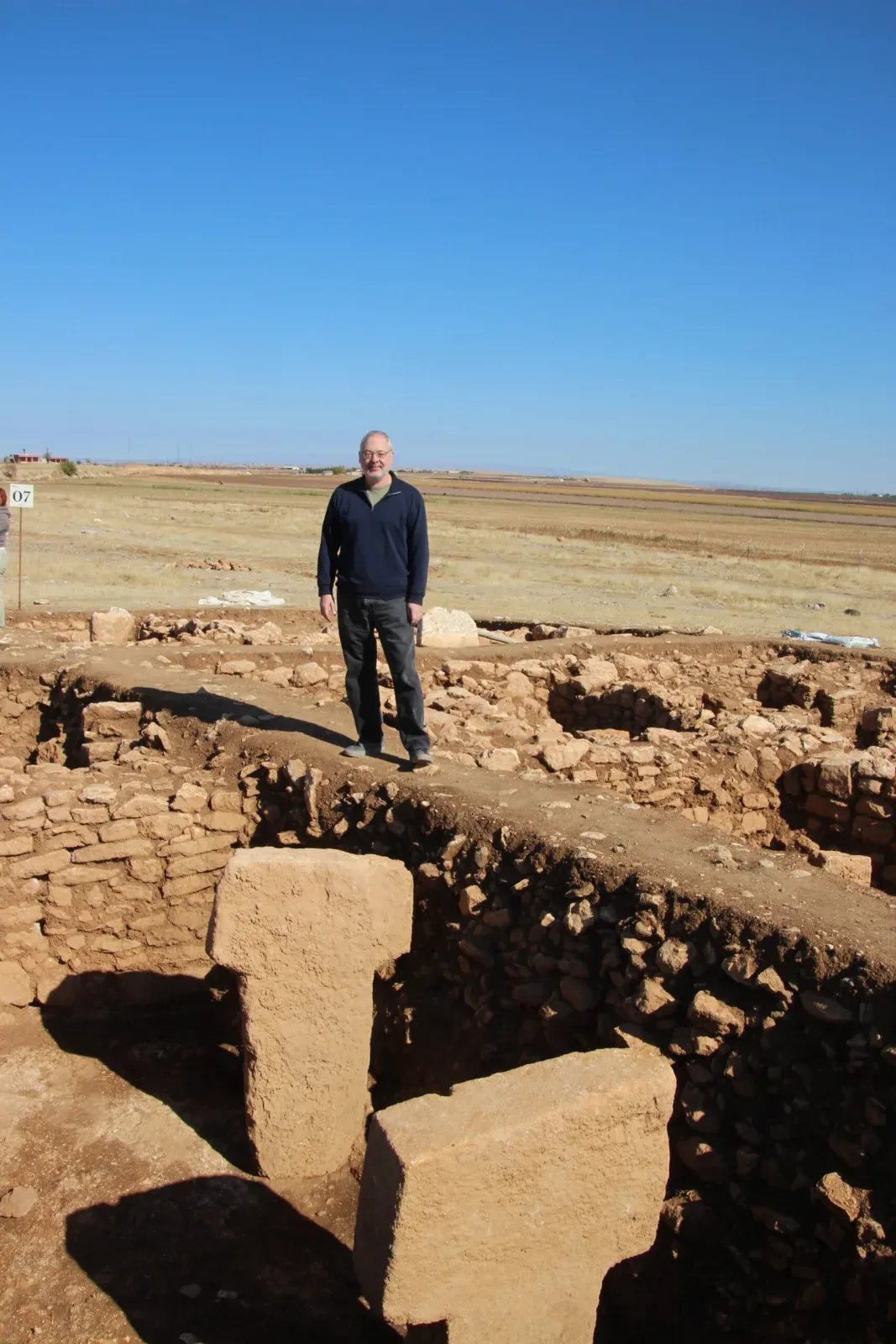
In November I was in Turkey for the Neolithic Congress, which included a field trip to a bunch of archaeological sites, including the famous Göbekli Tepe.
Finally, in December I was in Hong Kong for the Asian Economic History Conference, plus a few other events. I took a couple of days off to travel to Macao and Hangzhou. Lots of impressions; perhaps I will write about them in a future post.
This post is about my personal doings, but, as we all are aware, 2024 was a pivotal year in world history. I was tempted to write many blog posts on events as they unfolded, but it would have to happen at the expense of finishing the GHT on time. The GHT won. Fortunately, all those thoughts don’t have an expiration date. Cliodynamics is about the long run, rather than day-to-day human strivings. Inshallah, I will have more opportunity to comment on the developing trends in 2025. Meanwhile, as a substitute for regular blogging, here are three popular articles that I published last year:
The deep historical forces that explain Trump’s win (the Guardian)
Trump and the Triumph of America’s New Elite (Businessweek)
Nero-Moments: How Collapse of Social Trust Leads to State Breakdown (Starling Insights)
I wish all of us a happy 2025—health, prosperity, and peace.
Blog Archive Comments 31 comments Comments originally published with this post. This archive is read-only.
Jon L
With regard to your cardiovascular issues you might want to read books by Bale/Doneen , the Clot Thickens by Kendrick and for something totally different, Thomas Cowen's Human Heart.
Dan
Glad to hear both you and your wife are doing well. Regarding your experience with our healthcare system, I suspect that is not the common experience. It certainly is not mine. Most Americans do not have a PhD in biology or a union negotiated CT state funded health insurance plan, which I'm assuming you do. The fourth paragraph of this post sounds like it was written by an out of touch elite.
Peter Turchin
This is a good point. As someone said, the academia is one of the few remaining islands of socialism in America. I actually said this in the first draft of the post, but then took it out not to complicate the flow.
Roger
Glad to hear you and your wife are doing better. Congratulations on getting your new book so close to publishing. Thanks for the links to your articles. Do you have any thoughts on Göbekli Tepe?
Peter Turchin
Worth a full post -- hope to get to it.
Roger
Looking forward to it. Take care.
Hank Blumfarb
Thank you so much for your perspectives on. the environments we humans are influenced by, and the ways you seek to be an influence. May your wifes and your recovery continue to progress. Brain Food for people is what you provide.
Wendy S
Thank you for caring about humanity, that you assist others in making sense of the world around us. It lowers my stress level to know the times I live in are just part of how it goes here on Earth. This time I am living in is neither more nor less unique than any other time. It’s just something happening right now. I may not like it. I may prefer that it be some other more equitable time I were living in. But there is nothing special about what I’m having to live through. It’s just part of the cycles of civilization. Your research helps me to be in acceptance of what is. I know that this breakdown in society we are experiencing is nothing new. I know humanity has survived it in the past So can I, whatever that looks like. So can my children. I just don’t like it. But I can deal with it better because of the perspective I’ve found from reading your work; it makes me stronger inwardly. I tell many people to look up your articles. Thank you. I’m grateful.
Dennis
My thinking exactly!
Dennis
Also: If AI is destined to be a major part of the future economy, and if the leaders of the AI industry are counter-elites (and not elites), then the elites are in deep doo-doo.
Paul McVinney
I'm happy to read that you and your wife are on the mend. best wishes for 2025.
Vlad
Петя, привет. Давно не писал. Хорошо, что все обошлось с операцией. Про Митьку не знал. Очень жаль. Увидимся, как замирятся наши лидеры. Будем рады видеть в Москве.
John
I'm glad you are feeling better
Jean-Christophe Spilmont
I'm glad to hear that you and your wife are doing well now :-) I've been a huge fan of your work for years and have read all your books. I can't wait to read the upcoming ones! Indeed, we are at a strategic turning point in time. I wish you and your wife the best year ever :-)
Dennis
Inshallah?
Peter Turchin
deo volente
Antonia Baur
I'm looking forward to your new book. I'm glad to hear you're both on the mend, which also explains why we didn't see much communication from you. Yes, let's have a (reasonably) good 2025, please.
Raymond Reichelt
Sorry to hear about the health problems for you and your wife, but glad to hear that you were able to get them treated in a timely manner. I will remember you and your wife in my prayers I am also glad to hear that your next book, The Great Holocene Transformation is coming out this year. I am looking forward to reading it. Thanks for all you posts Peter.
David Arens
As in the Foundation series I hope your knowledge of the past and the procession of humanity into the future is guided along more peaceful routes by your insight. Keep on fighting for your and wife life. our story does not stop with death.
Loren Moss
Happy new year professor. I am so glad to hear that you and your wife are both out of danger health-wise. Thanks for the important work you do!
Peter Turchin
Thank you all for those well wishes and support! I am looking forward to getting back to blogging. Certainly, cliodynamics has a lot to contribute to the understanding of what's happening with the world.
Boyan Durankev
Happy New Year! Health, health and health; inspiration and cheer; success and joys; wisdom and good luck! Good luck in writing your books and articles! The first issue of Political Horizons 1/2025 will feature my review of your wonderful book! Greetings from Bulgaria! Boyan Durankev, Professor Emeritus
Vic K
That's a VERY pleasant surprise! I was sad that the blog seemed to be abandoned, and was worried about your circumstances. Looking forward to new posts!
Vladimir Dinets
I am glad you survived the dangerous moment! Even though our civilization might not.
johne
I'm glad your wife is better, but I'm awed that you are at 95% recovery only five months after heart surgery and, despite all that, in the same year you've traveled the globe, are in the middle of publishing two books, and have three articles published! You're a force of nature, but please take care of yourself. At some point, I hope you have the time to write more about your African visits, your photographs there, and your current view of its wildlife and ecology.
Phoebe Gleeson
Dr. Turchin, are your books available in Ukrainian translation, or perhaps Russian?
Peter Turchin
Yes, the Russian translation came out last year. Here it is on LitRes: https://www.litres.ru/book/petr-turchin/konec-vremen-elity-kontrelity-i-put-politicheskogo-raspada-70295656/
TheDude
Best wishes in 2025 for Doctor Doom!
Aatif Ahmad
Best wishes!
Антон
Thank you very much for your publications. Good health and success to you and your family! I am sure that the combination of machine learning, deep machine learning and reinforcement learning with traditional approaches to quantitative social dynamics will help if not to create a "psychohistory", then at least to protect from many unpleasant moments in the development of civilization
Raycho
A society's culture is s product of its political system. Parliamentary democracies for example are more nationalistic and systems in which the executive can veto (2/3rds or absolute) the legislature - tend to be more universalist. Small things like electoral threshold, many electoral districts or a single nationwide el.d. , open or closed list pr. can have an enormous effect on a society's culture. Ancient Athens for example was nationalistic compared to ancient Rome (due to them both having a legislature they both had what Voltaire calls the public space) - because the consul or emperor could veto the senate and also issue edicts. In the middle ages kings, dukes, and lords governed through edicts and they needed the legilature only to approve their taxes. The culture of good manners in the early modern period was aso a product of this system. Culture however for 'all its might is quite fragile' and if you imagine that a nationalistic society had the following pol. system: the parliament is elected by open list pr in a single national constituancy and the president is elected through ranked choice voting and can impose an absolute veto on the leg. and issue executive orders which cannot be lifted by the leguslature, if you wrote 20 pages imagining how politicians, experts, media would talk in the public space and then you pretended that a nationalistic society (like Russia and China for example) had such a system something magical would happen. I am aware that Britain, Canada and othet fptp systems are more universalist, but compared to the US they are less so. I am also aware that the executive in South Korea, Mexico and elsewhere can veto the legislature, but those countries use mixed member pr and only have 2/3s veto. I think the cultutal struggles in the US are a product of their incomplete universality. I think single member constituancies lock the people below and radicalize them, closed list also radicalizes them. Also have you noticed that Pakistan, Italy and Japan have the same pol. system and all three are the most indebted countries in the world. Maybe governments sould think about the effect that a political system can have on a society. I've noticed that systems in which the executive can veto the legislature have an overactive foreign policy - they try to manage other countries, which causes a lot of resentment, like the contemporary US white house that tries to manage China, which makes the chinese quite resentful. I think because medieval kings and lords managed their and foreign people through the veto and power and edicts made feudalism very rigit and war very easy, attractive and enjoyable.